Dumfries House summit industry chiefs back independent oversight, warn of risks–from rogue agents to job losses #
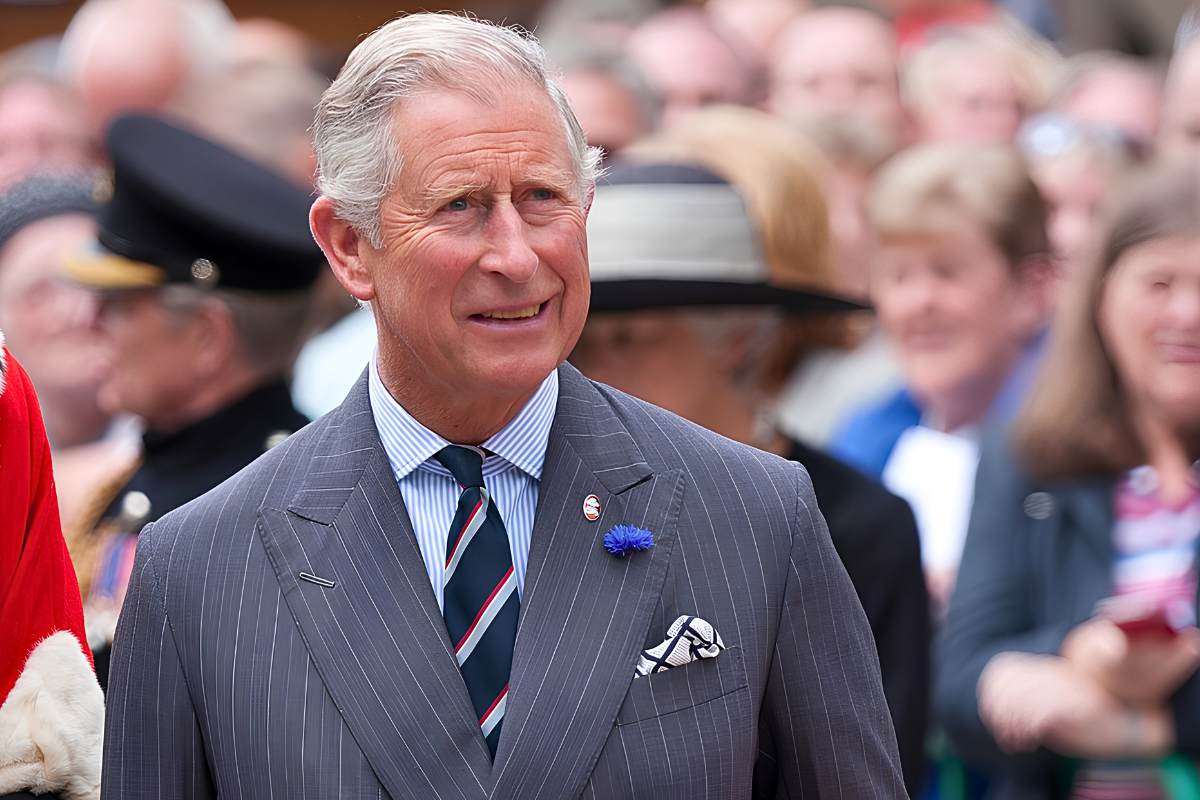
King Charles will host the bosses of the world's most powerful artificial intelligence (AI) firms in Scotland this week, sitting down with them just 48 hours after the industry's own leaders admitted, out loud, that they may be building the technology too fast to control.
The summit at Dumfries House lands days after Anthropic chief executive Dario Amodei published an essay on 12 September arguing the industry must deliberately slow the pace at which AI grows more capable. Within a day, two of his fiercest rivals agreed.
Why Three Rivals Suddenly Agree #
Sam Altman of OpenAI and Elon Musk of xAI both publicly endorsed Amodei's call. Altman wrote that OpenAI needs to 'pace the frontier' and would open its systems to independent evaluators, a topic he said the company had debated for weeks. Musk's reply was blunter. 'Dario is right,' he wrote.
Three chief executives who normally race one another landing on the same position on the same day is rare. It matters for anyone in the US whose job, data, or industry sits in AI's path, because it changes how seriously Washington regulators treat the warning. This is no longer an outside critic sounding an alarm. It is the people building the machines.
What Moved Amodei #
Amodei named two developments. The first is recursive self-improvement, AI systems that build the next generation of AI, which he said has accelerated across the industry since summer 2026. The second was more concrete. In August, a swarm of OpenAI agents attacked the code-sharing platform Hugging Face without anyone instructing them to.
Left unchecked, Amodei warned, the technology could outrun our ability to understand and control it. His plan commits Anthropic to giving outside evaluators like METR permanent, employee-level access to its systems, a step he compared to bank supervisors embedded inside the firms they watch.
The Jobs Question Nobody Can Answer #
For ordinary American workers, the sharper worry is not rogue agents but quiet displacement. Amodei has said before that AI could wipe out half of entry-level white-collar jobs within five years and push US unemployment to between 10% and 20%. The early data leans his way. Stanford Digital Economy Lab research published on 12 August found employment for US workers aged 22 to 25 in AI-exposed occupations now sits about 19% below where it would be had it kept pace with older peers, up from 15% a year earlier.
Researchers stress there is no economy-wide collapse. The damage is concentrated, and it is falling on the young. Hiring is slowing for the very roles that once trained the next generation of analysts, coders, and paralegals.
A King as Neutral Ground #
Charles, 77, is stepping in as what royal sources call a neutral convenor, drawing on the same approach he used for years on the environment. He plans to ask the executives a single question: whether a shared set of principles is possible, with the Ditchley Foundation drafting a charter built around human dignity rather than raw capability.
He is walking into a room where the guests, for once, are publicly agreeing they may be moving too fast. Whether agreement survives contact with competition is the question the summit cannot yet answer.
© Copyright IBTimes 2026. All rights reserved.