Elon Musk’s SpaceXAI is stuck facing a lawsuit over alleged data center pollution after Donald Trump failed to convince a judge that his Environmental Protection Agency (EPA) has complete control over all Clean Air Act lawsuits and can dismiss any suit at whim.
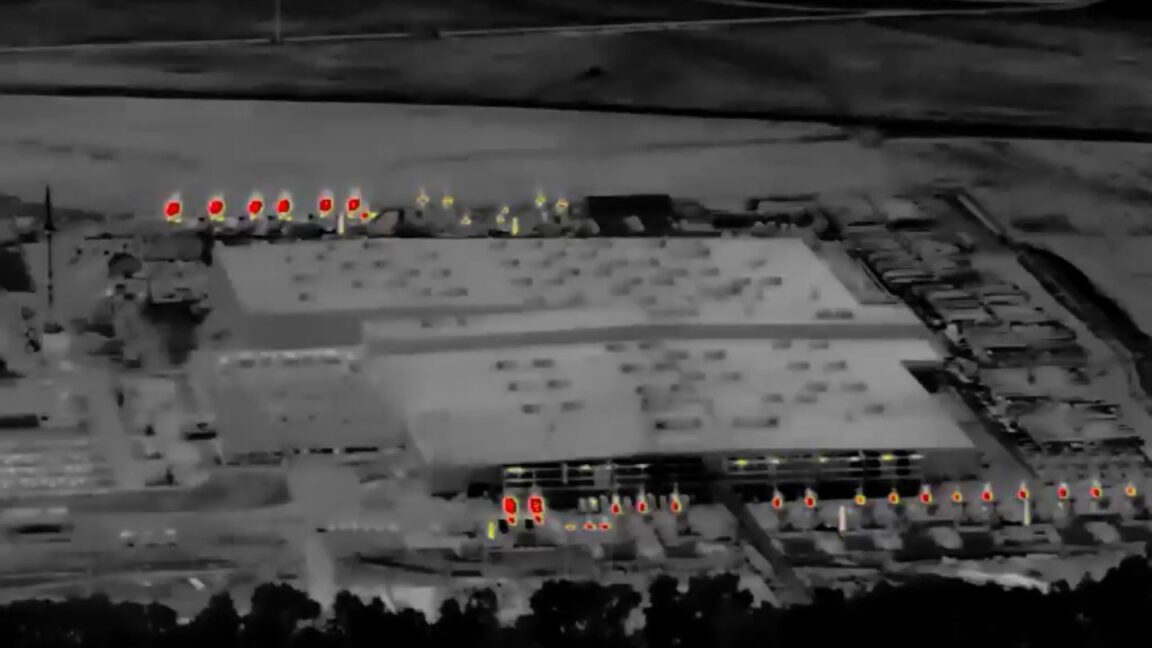
Soon after unpermitted gas turbines were discovered powering Musk’s giant Colossus data center in Memphis, Tennessee, the NAACP sued. Its lawsuit sought an injunction requiring xAI (which, following a merger, is known now as SpaceXAI) to use the best available pollution control technology when operating the turbines and ordering penalties up to $124,426 per day per violation. Without such remedies, the turbines risked drastically spiking pollution in already vulnerable neighborhoods housing predominantly Black communities nearby, the NAACP argued.
To block the lawsuit, Trump tried to intervene, arguing that the EPA had the power to unilaterally dismiss lawsuits any time the president decides against enforcing the Clean Air Act. According to Trump, it would supposedly “not serve the public interest” if citizens were allowed to seek massive civil penalties to punish polluting AI firms that were trying to get data centers operational as fast as possible to support Trump’s AI Action Plan.
But Trump’s efforts to spare Musk’s firm were halted by a federal judge Tuesday, who ruled that “nothing” in the Clean Air Act (CAA) allows the EPA Administrator to “unilaterally dismiss a citizen suit.”
Such a power grab would seemingly give Trump authority to block any lawsuits alleging data center pollution, US District Judge Debra Brown’s order suggested. Even further, she observed that Trump could have used the authority to defend any interests against CAA lawsuits, not just the AI industry’s.
The NAACP had argued that the CAA’s text is focused “on ensuring air pollution standards are met and people are protected.” It urged the court to recognize that there is “no way to read” a provision granting citizens a right to sue as Trump has. That would “suggest that Congress, having gone out of its way to preserve people’s ability to sue to stop unlawful pollution when the government has not, also implicitly authorized the government to dismiss those very suits at its whim because it would prefer that the unlawful pollution continue,” the NAACP successfully argued.