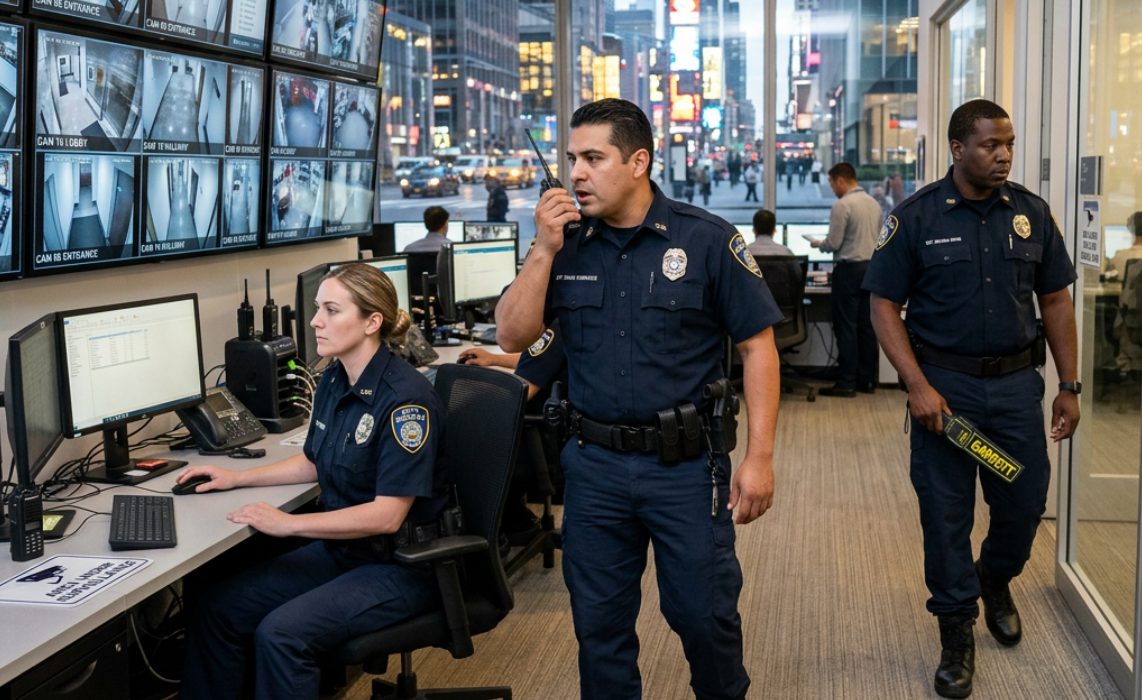
In New Orleans, a private network of AI-equipped cameras pings patrol officers the moment someone on a wanted list walks past a lens. Real-time. No detective legwork required. Since 2023, that system has reportedly contributed to dozens of arrests, according to the Marshall Project. This isn’t a pilot program or a conference demo. It’s a regular Tuesday — and it’s playing out in cities across the country, much like the surveillance app built to track political dissidents.
From Paperwork Tool to Suspect Generator #
Vendors sell efficiency, but the real capability creep is happening at the investigative layer.
Companies like Axon, Motorola Solutions, and Veritone pitch AI as the ultimate administrative assistant — transcribing body-cam audio, drafting incident reports, summarizing case files. Mark43’s ReportAI pulls from dispatch data and transcripts to generate paperwork. Vendors emphasize audit logs and human review of every output. Fair enough. But that framing sidesteps what these systems actually do at scale:
- facial recognition matching individuals across massive image and video databases automated license plate readerscross-referencing live vehicle data against watchlists- data-fusion platforms ingesting body cams, drones, social media, and commercial data broker feeds into centralized dashboards
Then there’s Veritone’s “Track” tool, which identifies individuals using non-biometric attributes — clothing, body size, hair, accessories — neatly sidestepping most facial recognition laws. Predictive policing models, meanwhile, shape patrol routes and inform judicial risk scores.
Legal scholars warn this architecture enables “ agentic policing“ — systems that generate suspects and investigative leads, with officers working backward to justify the algorithm’s output. That inverts probable cause. The
Brennan Centerputs it plainly: AI “will vastly expand law enforcement’s ability to target people and extrapolate information about their movements, habits, and associations.”
Rules That Don’t Exist Yet #
The regulatory framework governing police AI ranges from thin to nonexistent.
No national standard governs any of this. Only a handful of states — California and Utah among them — require disclosure when generative AI drafts police reports. More than a dozen regulate adjacent technologies like facial recognition and license plate readers, but coverage is patchwork at best. Brookings notes most criminal justice AI tools “remain untested by credible, independent sources.” Vendors largely set their own accuracy benchmarks.
Documented harms keep accumulating:
- wrongful arrests
- officers misusing plate-readernetworks to monitor personal contacts - cities canceling Flock Safety contracts over surveillance abuses
At protests, drone footage and camera data get fused after the fact to build detailed movement profiles on individual demonstrators — something the Algorithmic Justice League flags as a direct threat to free expression.
Courts face a compounding problem. AI-generated transcription errors can quietly reshape how juries understand events, while a growing “ deepfake defense“ lets attorneys cast doubt on all digital evidence. Criminal justice adopted this technology aggressively before anyone wrote the rulebook.
The path forward likely runs through state legislatures — Brookings and the Council on Criminal Justice both argue that federal exemptions make states the necessary actors here. Proposed safeguards include:
- mandatory disclosure to defendants
- independent bias audits
- enforceable procurement standards
The technology isn’t waiting. Whether accountability catches up before the next wrongful arrest is an open — and uncomfortable — question.