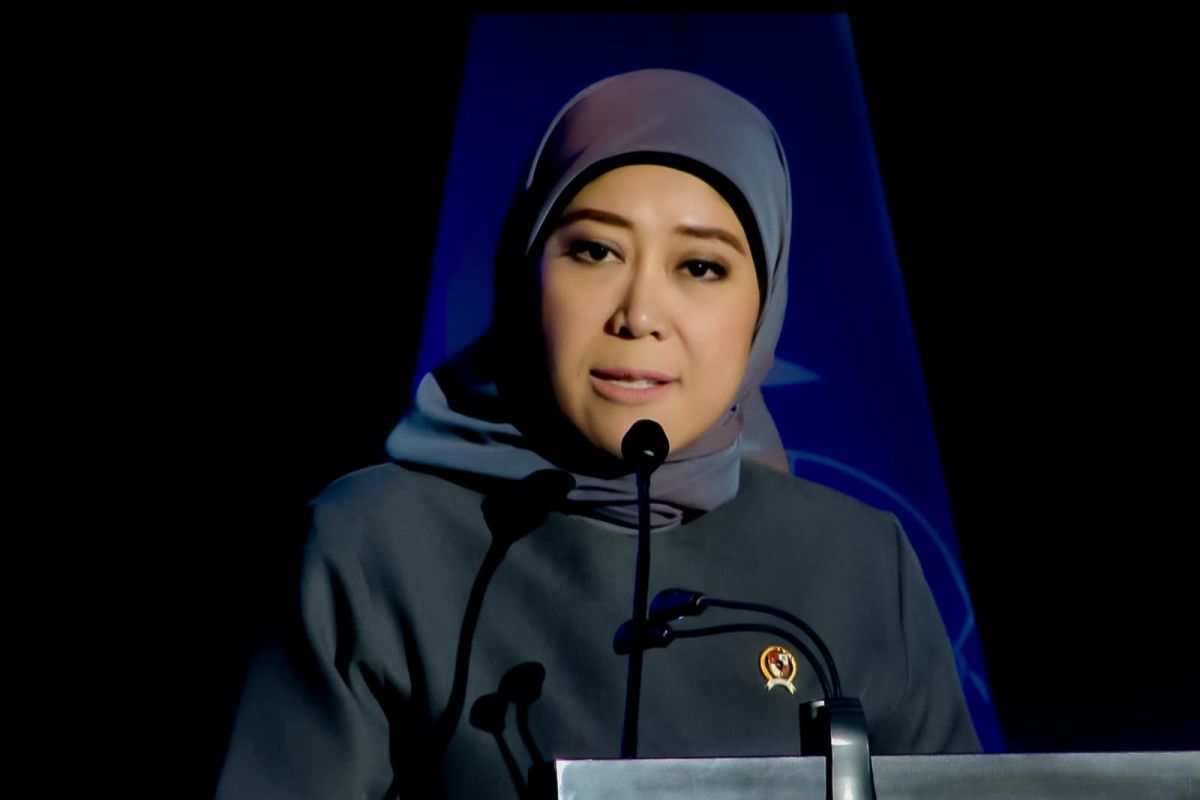
Global AI governance discussions shape compliance, data-access, and content-moderation requirements that practitioners must design for across jurisdictions. ANTARA reports that at the inaugural UN Global Dialogue on AI Governance in Geneva, Meutya Hafid spoke on behalf of President Prabowo Subianto, calling for a "people-centered, collaborative" approach and highlighting Indonesia's child-protection rules. Per ANTARA, the forum was opened by UN Secretary-General António Guterres and drew senior officials from 108 UN member states. ANTARA quotes Hafid noting Indonesia's Government Regulation No. 17 of 2025 (PP TUNAS), enacted March 2025, and reports the government handled around five million child accounts in the first five months under the regulation. ANTARA also reports Indonesia urged interoperability over compelled uniformity and said a presidential roadmap on ethical AI is under formulation.
Editorial analysis
National positions emerging at multilateral forums increasingly translate into practical compliance requirements - age-gating, data-retention, auditing, and platform risk classifications - that engineering and policy teams must factor into roadmaps and data pipelines.
What happened - Per ANTARA, at the inaugural UN Global Dialogue on AI Governance in Geneva the forum was opened by UN Secretary-General António Guterres and brought together senior officials from 108 UN member states and leaders of international organizations. Meutya Hafid, Indonesia's Minister of Communication and Digital Affairs, attended on behalf of President Prabowo Subianto and is quoted as saying, "This dialogue provides important momentum to build inclusive, people-centered global AI governance that is oriented toward development and backed by international cooperation." ANTARA reports Hafid highlighted Government Regulation No. 17 of 2025 (PP TUNAS) on Electronic System Governance for Child Protection, enacted in March 2025, and said the government handled around five million child accounts in the first five months of implementation. ANTARA also reports Hafid quoted President Prabowo as urging governments to move beyond mitigating AI risks toward leveraging the technology for development. The coverage notes Indonesia rejected compelled regulatory uniformity and urged interoperable, flexible frameworks suited to varying national readiness.
Industry-pattern observations: Countries adopting child-protection and platform-risk regulation typically drive technical changes that affect model training, logging, and content-moderation rules. Age-based access controls and high-risk platform classifications often require changes to API policies, data minimization, and provenance logging. Multilateral calls for interoperability, as reported at the forum, shift the debate away from single global rules toward compatible standards and mutual-recognition approaches, which have different engineering and compliance trade-offs.
For practitioners
Watch whether follow-up UN processes translate into harmonized technical standards or into a patchwork of national requirements. Key indicators include draft UN guidelines, exchanges among standards bodies, platform policy updates implementing PP TUNAS-style classifications, and whether data-sharing or access conditions change in practice. ANTARA reports Indonesia is formulating a presidential regulation on a national AI roadmap; observers will monitor its provisions for auditing, human-in-the-loop requirements, and cross-border data clauses.
Reported facts in this piece are drawn from ANTARA and the United Nations in Indonesia coverage of the forum. Editorial observations are LDS analysis framed as industry patterns and practitioner implications.
Key Points #
- 1National child-protection rules like PP TUNAS force platform and API changes, affecting data access and moderation workflows for ML teams. - 2UN-level calls for interoperable governance may favor standards-based compliance over a single global rule set, changing engineering trade-offs.
- 3Practitioners should monitor draft UN guidance and national roadmaps that could require provenance logging, age-gating, and audit-ready pipelines.
Scoring Rationale #
The story matters because national positions at the UN forum can influence regulatory expectations that drive engineering and compliance work. It is notable for practitioners but not a paradigm-shifting policy event on its own.
Sources #
Public references used for this report. Practice interview problems based on real data
1,625 SQL & Python problems across 15 industry datasets — the exact type of data you work with.