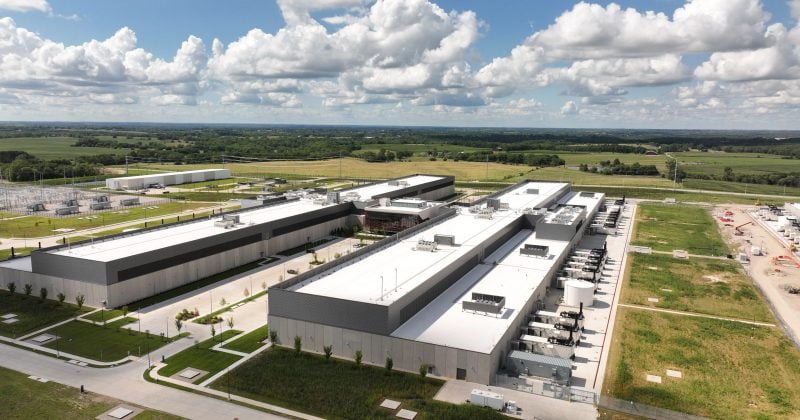
Tech giants have more than doubled their debt issuance to fund AI infrastructure, and the market is showing signs of indigestion
The biggest names in tech have been hitting the bond market like it owes them money. Amazon, Alphabet, Microsoft, Meta, and Oracle have collectively issued approximately $244 billion in bonds globally so far in 2026, more than double the $108 billion they raised in all of 2025. The goal: fund an AI infrastructure buildout so massive it makes the dot-com era look like a rounding error.
Demand is cooling, fast #
The clearest signal that the market is getting full comes from cover ratios, which measure how much investor demand exists relative to the bonds being sold. In February, hyperscaler bonds were attracting orders at roughly 5x the amount on offer. By July, that number had dropped to around 2x.
Bonds are being sold at progressively wider premiums to compensate for the weaker appetite, and secondary market spreads have widened accordingly. The result is underperformance relative to broader US corporate bond indices. Fidelity, one of the world’s largest asset managers, has reportedly started shifting core bond fund allocations away from new AI-related deals.
Why so much debt, so fast #
Capital expenditure projections for the major hyperscalers sit at roughly $600 billion to $725 billion for 2026, nearly doubling previous forecasts. That money is flowing into data centers, specialized AI chips, and the infrastructure needed to train and deploy ever-larger AI models.
Forecasts suggest AI-related bond issuance could reach anywhere from $250 billion to $570 billion by year-end.
Going global to avoid saturating the dollar market #
Roughly 30% of total new issuance now comes in foreign currencies, up from negligible levels just two years ago. Amazon set the tone with a record euro-denominated deal worth approximately 14.5 billion euros. There have also been notable deals in Japanese yen and Canadian dollars.
The crypto connection, slim but real #
Some Bitcoin miners have been pivoting their operations to support the AI infrastructure boom, leasing data center capacity to the very hyperscalers driving this bond issuance wave. Core Scientific, for example, has been raising its own debt, reportedly around $3.3 billion, to build AI data centers that would be leased to hyperscaler clients.
When high-grade corporate bonds start offering wider spreads, they become relatively more attractive compared to risk assets. That dynamic can pull capital away from speculative investments, including digital assets, as institutional allocators rebalance toward better risk-adjusted yield in traditional fixed income.
What investors should watch #
The key metric to monitor is whether cover ratios stabilize or continue declining. A drop below 2x would signal genuine market stress and could force hyperscalers to offer even wider premiums, accelerating the negative feedback loop for existing bondholders.
For crypto-adjacent investors, the performance of firms like Core Scientific that straddle both worlds is worth tracking as a leading indicator. If their AI-focused debt issuance faces similar demand challenges, it could pressure business models that the market had been pricing as growth stories. Disclosure: This article was edited by Editorial Team. For more information on how we create and review content, see our