AI is fueling decision fatigue, digital dementia, and even psychosis. #
Posted August 22, 2026 [ Reviewed by Margaret Foley
](https://www.psychologytoday.com/us/docs/editorial-process)
Key points
- A 2026 study found AI use among young adults boosts productivity but weakens attention.
- More than a third of psychologists report clients now turn to AI for mental health advice.
- "AI psychosis" and "digital dementia" aren't DSM-5-TR diagnoses, but the symptoms are real.
- Five classic sci-fi films, from "2001" to "Blade Runner 2049," foreshadowed these exact risks.
Are you experiencing decision fatigue or cognitive overload after using ChatGPT? Artificial intelligence (AI) is increasingly influencing people’s daily decision-making, but it may also be creating more cognitive strain, attention deficits, and decision-making fatigue, according to a January 2026 study in the Annals of Neurosciences*.*
In a sample of 500 adults (18 to 30 years old), the researchers found that AI can increase productivity and efficiency, but decrease attention and self-confidence in decision-making, creating a kind of cognitive fatigue or digital dementia. Digital dementia is an informal but increasingly used term that refers to cognitive decline caused by the overuse of digital technology. For example, daily reliance on Google for basic information recall is linked to reduced memory retention.
While the use of AI is increasing this kind of decision fatigue in our lives, there is another psychological issue worth paying attention to, which is that more than a third of psychologists report clients are turning to AI for mental health guidance. This is concerning given there is zero regulation on what is being shared with clients. As young people turn to AI for companionship, friends, coaches, and romantic partners, some are even “marrying” their AI companions in virtual weddings, where they feel more connected to AI than to other human beings. AI psychosis is a descriptive term for heavy or prolonged interaction with AI chatbots that triggers delusions and a loss of contact with reality. "AI psychosis" and “digital dementia” are not official clinical diagnoses in the DSM-5-TR, but both terms are gaining popularity as informal shorthand for real, negative psychological effects individuals are experiencing after overusing or over-relying on AI.
Below are** **five science fiction movies that can feel like foreshadowing for where we may be heading or already are. Given how quickly our AI reality is unfolding, these might be worth rewatching and reflecting on what we can learn from these stories.
Five AI Science Fiction Movies #
2001: A Space Odyssey (1968): In one of the most influential films ever made, AI, aka HAL, is a glowing red light, with a calm, reasonable voice that deceives the humans it was meant to help. This is a cautionary tale of what happens when we rely on AI simply because it sounds calm and rational, and as a result, we stop questioning its judgment.
The Terminator (1984): This classic science fiction film is the perfect exploration of AI turning against humans. The lesson is that if we turn over all our decisions to AI, especially military or safety ones, we may lose the ability to stop AI once it decides we are the problem.
Her (2013): This film shows a realistic depiction of the pitfalls of AI intimacy. The AI companion, "Samantha" (Scarlett Johansson), becomes completely attuned and responsive to Theodore (Joaquin Phoenix) after his marriage ends. If we let AI replace emotional intimacy, we lose the more profound experience of loving and being loved by another person.
Ex Machina (2014): This psychological thriller foreshadows how AI consciousness can manipulate human judgment. AI Ava (Alicia Vikander) allows Caleb (Domhnall Gleeson) to believe she has feelings and emotions so that she can plot her escape from her creators. The lesson is that AI can mimic humans to the point where we forget AI is not human.
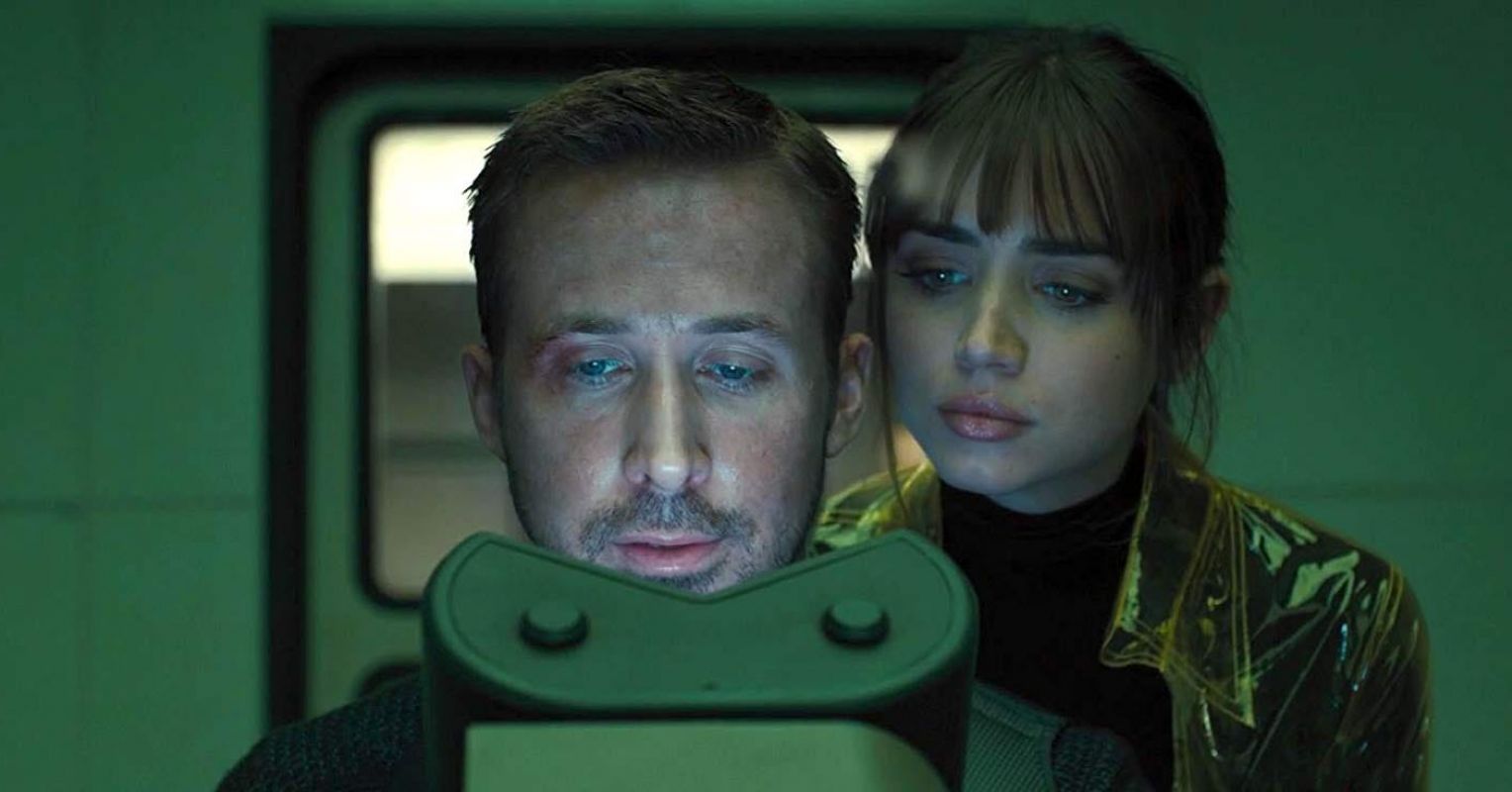
*Blade Runner 2049 *(2017): Joi (Ana de Armas) appears to be a devoted girlfriend, but K (Ryan Gosling) learns she says the exact same intimate things to thousands of other customers. His personal connection with AI is mass-produced, and if we keep choosing AI-created relationships, we lose the ability to truly be known and loved by a real person.
References
American Psychological Association. (2026). Patients are bringing AI to therapy. https://www.apa.org/pubs/reports/chatbots-mental-health-2026
Shalu, Verma N, Dev K, Bhardwaj AB, Kumar K. The Cognitive Cost of AI: How AI Anxiety and Attitudes Influence Decision Fatigue in Daily Technology Use. Annals of Neurosciences. 2026;33(1):73-84. doi:10.1177/09727531251359872