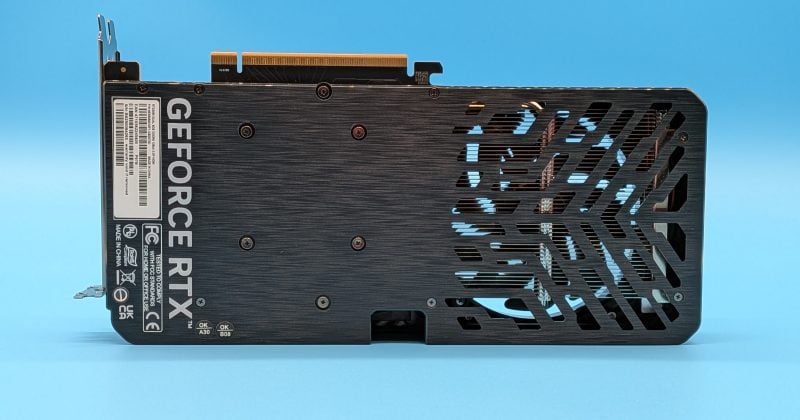
Via pcgamer.com
Atreides Management CIO Gavin Baker highlights a stark disconnect between falling AI stocks and surging GPU spot prices
The price of renting a GPU just doubled. Gavin Baker, CIO of Atreides Management, flagged that spot rental prices for the same GPU cluster jumped from just under $2 per hour to nearly $4 over a seven-month stretch, with the observation landing on August 4, 2026.
The numbers behind the squeeze #
Spot GPU rental rates are now running at least 2x higher than contracted rates, based on Baker’s observations from late July 2026.
H100 1-year contract pricing climbed approximately 40% from $1.70 per hour in October 2025 to $2.35 per hour by March 2026.
Baker suspects that spot rates exceeding contracted rates by at least twofold suggests hyperscalers have meaningful pricing power they haven’t fully exercised yet.
Why GPU prices are rising while AI stocks are falling #
July 2026 brought a broad selloff in AI-related equities. But OpenAI, Anthropic, Google, and a growing roster of AI companies continue building out infrastructure at a pace that keeps supply tight. Memory supply is expected to remain constrained through 2027, which puts upward pressure on pricing for both newer and older GPU hardware.
Baker forecasts that operating cash flow growth for hyperscalers will accelerate from 31% in the first quarter of 2026 to 50% in the second quarter, driven largely by higher repricing of existing contracts.
What this means for crypto and compute markets #
GPU pricing has direct relevance to the crypto ecosystem. Decentralized compute networks like Render, Akash, and io.net have positioned themselves as alternatives to centralized cloud providers, offering GPU access through tokenized marketplaces. When centralized spot rates double, the value proposition of decentralized alternatives shifts.
Rising GPU costs also affect the economics of proof-of-work mining for chains that rely on GPU-heavy algorithms. If renting a GPU costs nearly $4 per hour, miners with owned hardware gain a cost advantage, while those relying on rented compute face margin compression.
If hyperscaler cash flows really do accelerate to 50% growth in Q2 2026, it validates the underlying demand thesis that many decentralized compute projects are built on. Disclosure: This article was edited by Editorial Team. For more information on how we create and review content, see our