The smart home is becoming another place where AI agents can act, not just answer questions. Google began rolling out early access to its Home Model Context Protocol server on September 16, giving compatible AI agents such as Anthropic’s Claude Cowork access to authorized Google Home data and device controls.
The system does not replace Gemini for Home. Instead, it gives outside agents another route into Google’s smart-home infrastructure, allowing them to inspect devices, check their status, review past activity, and carry out supported commands after the user grants access.
What Claude and other AI agents can control #
Google’s Home MCP documentation lists five core capabilities: discovering homes, finding connected resources, checking current device states, reviewing historical events, and executing supported actions. Examples include asking how many lights are installed, checking whether a home is secure, turning off outside lights, or asking what happened while the user was away.
Claude is explicitly supported through its Cowork environment. Users can add Google Home as a custom connector and complete an OAuth authorization flow; Google also lists Antigravity and OpenClaw as compatible MCP clients.
The integration can work with past and present device data rather than relying only on individual voice commands. Google’s history tool reference shows that agents can query state changes and events over a specified period, with camera-event media URLs included when requested and available.
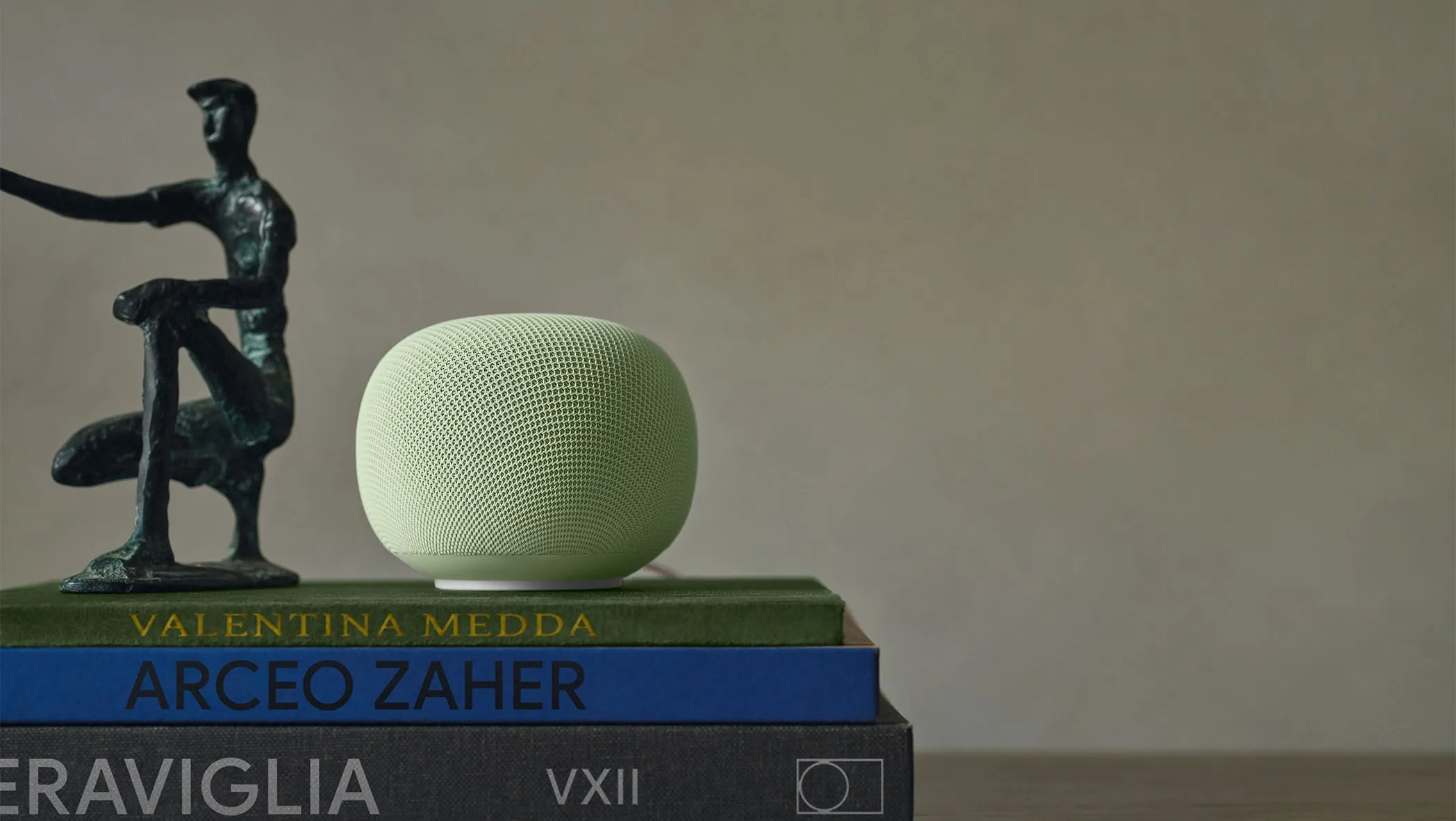
Agents can also issue supported commands through the Home MCP action interface. Gemini for Home remains Google’s native smart-home AI experience, following the company’s broader push into household AI with its $99 Gemini-powered Home Speaker introduced in June.
Initial availability remains limited. TechCrunch reported that access began rolling out September 16 over several weeks to Google Home Premium Advanced subscribers in the United States.
Home MCP adds a new security boundary #
Connecting an agent requires more than enabling a setting in the Google Home app. Users need a Premium Advanced subscription, a Google Cloud project, an MCP-compatible client, Home API access, and OAuth credentials.
Google restricts some physical actions and warns that agents can behave unexpectedly. Home MCP uses rate limits and safety protections, including a prohibition on unlocking doors, while users can revoke access through Google Home or their Google Account.
Those controls reflect a broader problem as AI agents receive credentials and authority to act across digital and physical systems. Recent research has highlighted how over-permissioned AI agents can widen enterprise security gaps, while proposed South Korean guidance calls for tighter access controls and audit logs around autonomous agents.
More sensitive Google Home information has another permission layer. Familiar-face data from compatible Nest cameras or doorbells requires separate consent from a manager of the Google Home structure, along with the required device and subscription setup.
Home MCP cannot currently create or manage Google Home automations; Google lists that capability for a future release. The launch establishes an official path for third-party AI agents to interpret household data and take permitted action on connected devices, putting authentication and access controls at the center of deployment.
Let us teach you How to Talk to AI for free! Try our six-minute course at The Neuron Academy and learn a few simple ways to write better prompts and get more useful results from AI, or browse our other AI course for free for seven days. Check out all the lessons here →