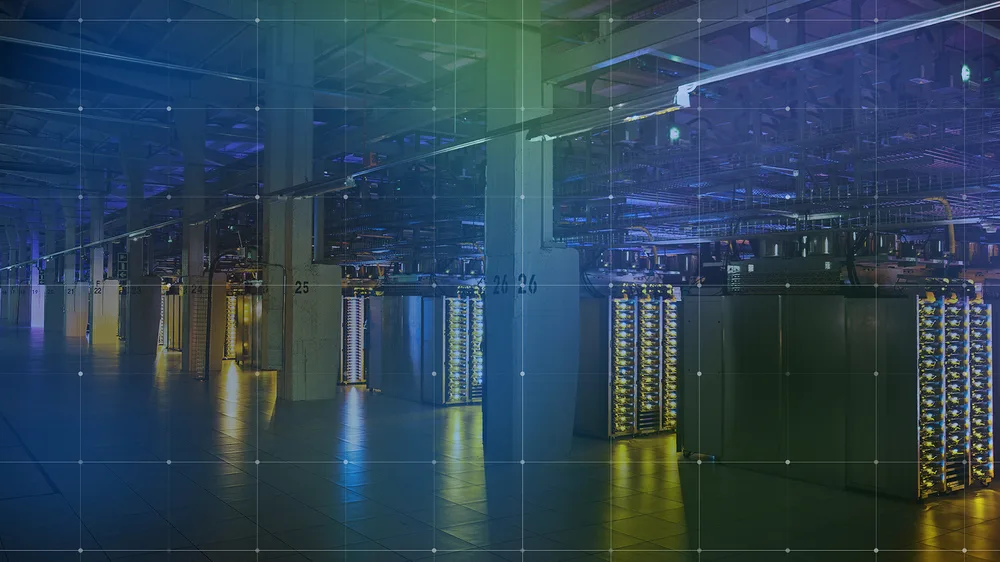
The AI Energy Management Alliance (AEMA) is finally here, and the goal is to stop AI factories from being static power drains on the grid. Instead of just drawing a flat line of electricity, these data centers will be designed to dynamically shift their power use based on real-time grid conditions. This basically turns a massive data center into a controllable resource that can discharge storage or shift workloads when the grid is stressed, rather than just being an inflexible load.
How does "power flexibility" actually work in a data center? #
Standard interconnection for power was built for facilities with a predictable, static demand. AI clusters don't fit that mold. A flexible site can manage its draw in a few specific ways:
- Workload Shifting: Moving computing tasks to different times or locations.
- Storage Discharge: Using on-site energy storage to offset grid pull.
- Paired Generation: Utilizing local power sources to bridge gaps.
- Contingency Response: Reacting instantly to system emergencies to prevent crashes.
What are the actual performance requirements for AEMA? #
The alliance is staying technology-neutral, meaning they don't care which specific hardware or software you use as long as the measurable service is there. They are focusing on a few core technical metrics:
- Ride-through and Curtailment: Establishing clear obligations for how a facility stays connected during brief disturbances and how quickly it can reduce power use.
- Standardized Metrics: Creating a common language for performance data and operational sharing.
- Risk-Adjusted Interconnection: Setting up faster pathways for operators who can prove their flexibility commitments are verifiable.
- Cost Allocation: Shifting how interconnection costs are handled to reflect actual system impacts, like avoided grid upgrades.
Who is involved in the value chain? #
This isn't just a software play. AEMA is pulling in the entire stack: AI platforms, infrastructure providers, data center operators, power producers, utilities, and regional grid operators. NVIDIA and Emerald AI are already deploying "AI factories" that respond to grid conditions in real time, and this alliance is intended to turn those individual projects into a broader industry standard.
The focus here is on moving away from "flat" electricity demand toward a model where the infrastructure actively supports the grid while producing intelligence. It's a necessary move because power has become the primary bottleneck for US AI infrastructure expansion.
Next Databricks engineers are spending 60% more on coding after switching to GPT-6 Astra →
All Replies (3) #
I want to try this tonight with my home lab. This sounds like it needs LiquidCool 2.0 to actually work...
I'm curious if they're actually implementing dynamic load shedding or just shifting workloads. Does AEMA plan to integrate with OpenCAPI?
So relieved to see this. My last server rack almost tripped the main breaker during a peak load. I wonder if 400V is enough?