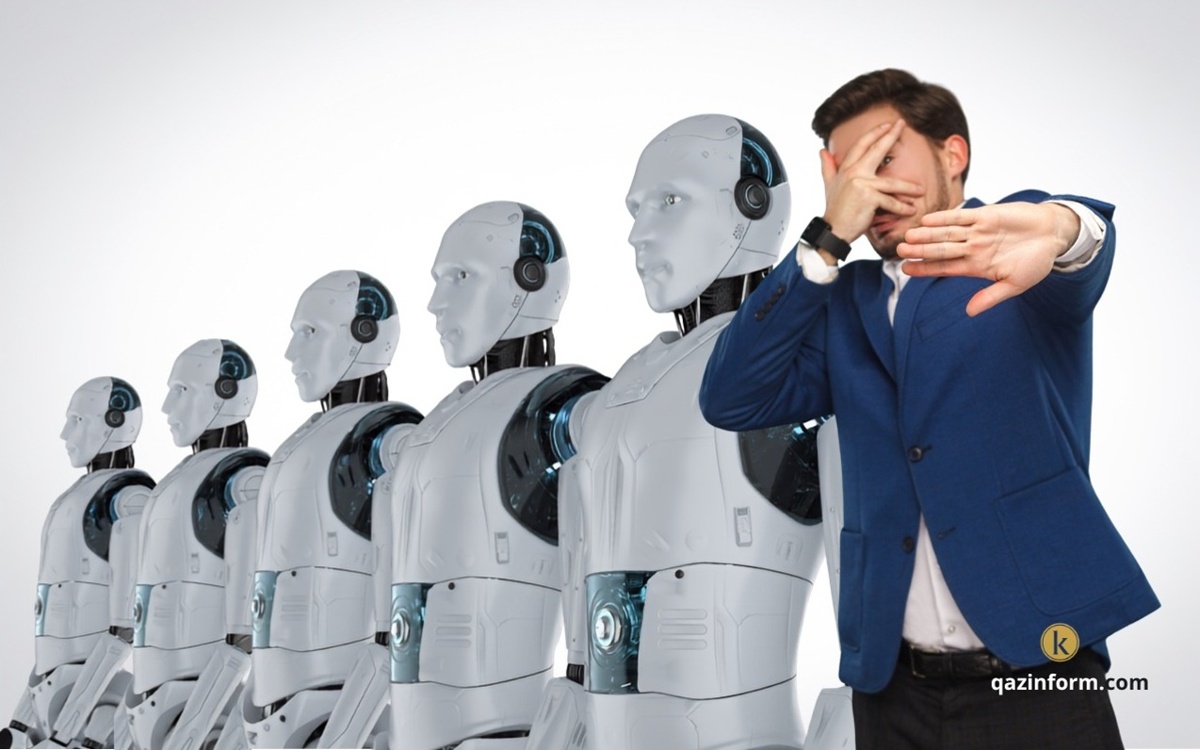
The study, published in Telematics and Informatics Reports, examined what researchers call “fear of missing out on AI,” or FOMO-AI. It refers to concerns that other people know more about AI, use it more effectively or have better access to its tools and opportunities.
Researchers surveyed 557 adults in the United States in September 2025. Most participants reported low levels of FOMO-AI, but 11.9% scored above the study's midpoint, meaning they experienced some degree of concern about falling behind. Among them, 2.7% reported higher levels and 0.4% reported very high levels.
Some individual concerns were more common. Nearly 40% of participants said they were worried that AI was developing faster than they expected. Younger adults and women reported higher levels of FOMO-AI, while education and income were not significantly linked to it.
The study also found that people with greater AI knowledge and skills tended to experience less FOMO-AI. General attitudes toward AI, whether positive or negative, were not significantly associated with these fears. The findings suggest that feeling capable of using AI may be more important than simply having a positive view of the technology.
FOMO-AI was also associated with greater symptoms of anxiety and depression. Depression, in turn, was strongly linked to lower well-being, while anxiety alone was not significantly associated with well-being in the study.
The researchers said AI education could help people feel more confident and reduce fears of falling behind. They suggested practical training in workplaces, schools and communities as one possible way to address the problem.
The authors caution that the findings do not necessarily apply to everyone. The study focused on U.S. adults recruited online, who may be more comfortable with technology than the wider population. The researchers also noted that the study relied mainly on self-reported information and cannot establish cause and effect. Further research in different countries and settings is needed.
Earlier, Qazinform News Agency reported that a new font was created to protect online writing from AI.