Debate intensifies over Flock Safety's automated cameras and privacy implications #
Flock Safety CEO Garrett Langley has sparked a fresh debate over privacy and public surveillance after defending his company's automated cameras amid growing calls for restrictions or outright bans.
During an interview, Langley argued that removing Flock's technology would be comparable to banning vehicles, framing the cameras as an important tool for public safety rather than simply another form of surveillance.
'I value my privacy... but what we're talking about is safety as well. And so I think when people talk about just one of these, privacy or safety, they're prioritising the wrong thing, and what we have to prioritise as a country is compromise.'
The comparison has drawn criticism from privacy advocates and others who argue that communities should be able to decide whether they want automated licence-plate surveillance operating in their neighbourhoods, parks and public spaces.
Flock Safety Defends Its Surveillance Technology #
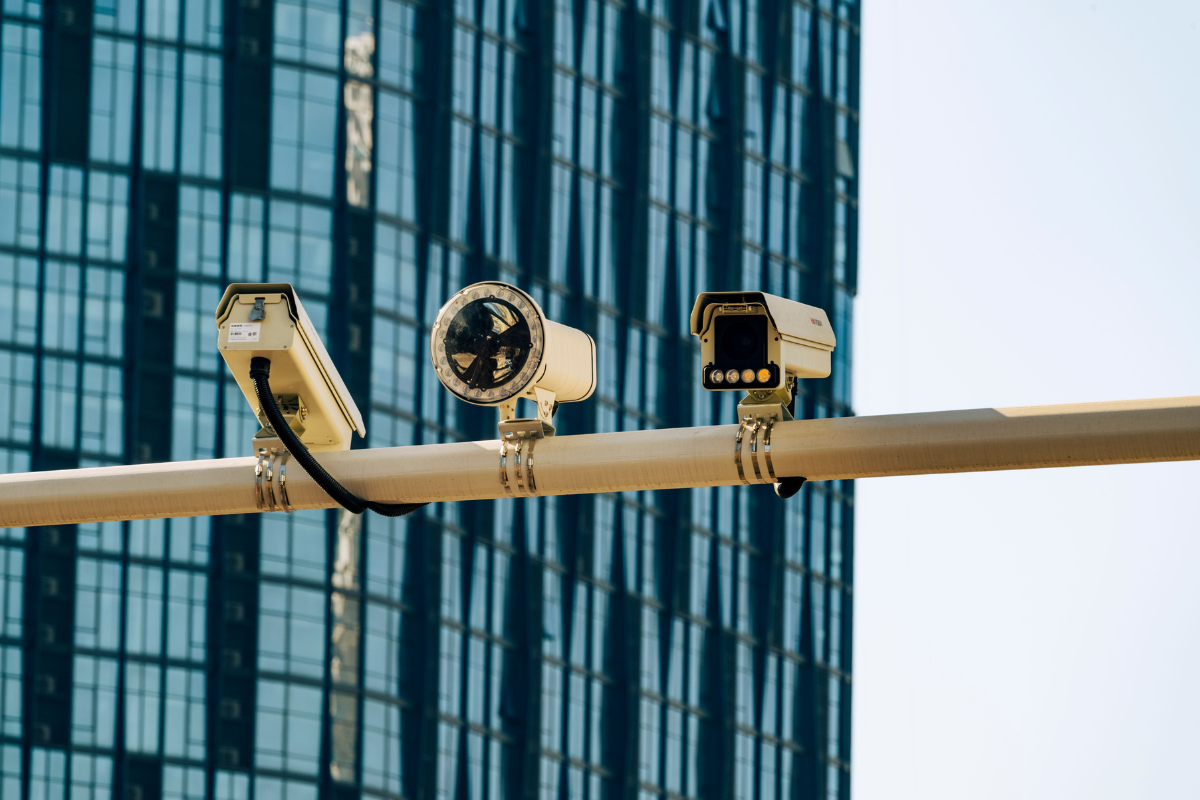
Flock Safety produces cameras and automated licence-plate recognition systems designed to help law enforcement and other organisations identify vehicles connected to criminal investigations. The company's technology can capture licence plates and vehicle characteristics, allowing authorities to search for vehicles that may be linked to crimes.
Langley has argued that the discussion should focus on regulating the technology rather than banning it altogether. That could include limits on how long information is retained, auditing requirements and consequences for people who misuse the system.
Langley has compared Flock cameras with vehicles, pointing out that cars were initially considered a safety issue as well.
'We have to have compromise - how do we have our safety and how do we balance privacy? So when I think about legislation, I don't think about an outright ban. That's like banning vehicles and it does not make sense. Instead we introduce laws against drunk driving, we made these laws around seatbelts, around airbags.'
His position comes as communities across the US continue to debate whether the benefits of automated surveillance outweigh concerns about privacy and the accumulation of large amounts of vehicle-location data.
Comparing Flock Cameras to Mass Surveillance #
One of the biggest points of contention is where Flock cameras can be installed.
The company's own marketing promotes applications in areas including parks, public spaces, parking facilities and intersections. That means the technology can operate in places where people may reasonably expect to move around without having their movements systematically recorded.
Critics argue that this makes the comparison with vehicles difficult to accept. A car is a means of transportation, they argue, while Flock cameras are a particular surveillance technology used to monitor vehicles and collect information about where they travel.
The distinction has become increasingly important as communities consider whether surveillance should be limited to specific investigations or whether authorities should have access to databases capable of revealing patterns of movement.
Flock Says Privacy and Safety Can Coexist #
Langley has acknowledged that privacy is important but has argued that it must be balanced against public safety.
The company's approach has increasingly focused on safeguards intended to address some of the concerns raised by critics. These measures include auditing tools and changes to data-retention practices.
The idea is that authorities should still be able to use the cameras to investigate crimes while introducing greater accountability over who can access the information and how long it remains available. Supporters of the technology say such measures could provide a middle ground between unrestricted surveillance and outright prohibition.
The Problem With 'Trust Us' Surveillance #
For critics, however, the central issue is not simply whether Flock has introduced additional safeguards. The bigger question is who ultimately controls the information collected by the cameras and what restrictions prevent it from being used for purposes beyond the original reason it was gathered.
Without consistent national rules, policies can differ significantly between law-enforcement agencies and local governments.
That can leave residents trying to understand complicated arrangements involving police departments, private companies and data-sharing agreements.
Langley's interview was the latest in a series of media statements made as Flock faces growing public scrutiny over concerns that its surveillance cameras, drones and licence-plate recognition technology could be abused.
Reports have documented dozens of cases in which police officers were accused of using Flock technology for unauthorised purposes, including allegedly tracking wives, girlfriends and former partners.
After hearing an interview with one of the alleged victims, Langley responded publicly, saying, 'I apologise. It kills me that she went through that.' However, he defended the company's role, adding, 'I don't think that Flock created police abuse. I think we're the first company to ever shine a light on it and build the tools to find it.'
© Copyright IBTimes 2026. All rights reserved.