The federal aviation agency is deploying Palantir's AI platform to predict runway incidents after a string of deadly accidents, with funding backed by recent congressional legislation.
The Federal Aviation Administration is betting that artificial intelligence can prevent the next runway disaster. The agency has partnered with Palantir to deploy an AI tool designed to sift through massive aviation datasets and flag potential problems before planes collide on the ground.
A partnership forged in crisis #
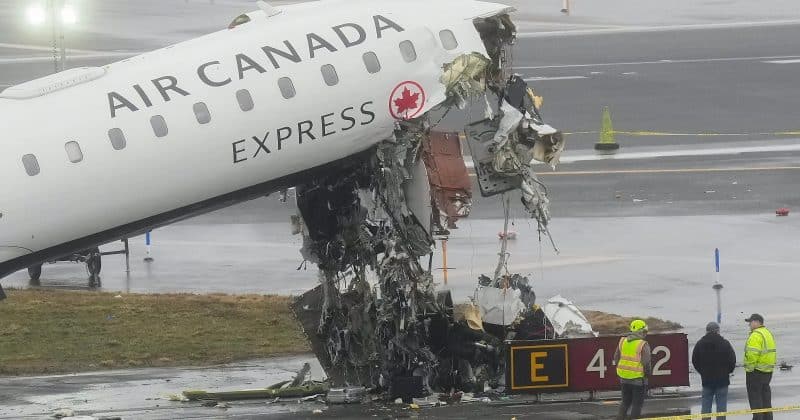
A fatal midair collision in Washington in January 2025 killed 67 people, and a severe runway incident in New York shortly after that refocused national attention on aviation safety.
Congress has provided funding through appropriations totaling $12.5 billion toward an estimated $20 billion-plus needed for broad aviation system overhauls. The runway safety work is one slice of that spending.
Palantir secured a contract worth up to $18.4 million with the agency back in June 2021 for its Foundry platform, which supports aircraft certification processes and safety monitoring. This latest runway safety initiative builds on that existing relationship, extending Palantir’s AI tools into operational risk prediction rather than just back-office certification work.
The current effort falls under the FAA’s National Runway Safety Plan covering 2024 through 2026.
What the AI actually does #
Palantir’s platform integrates disparate data streams and surfaces anomalies, looking for unusual safety patterns that historically correlate with runway incursions during takeoffs and landings.
In March 2025, Palantir partnered with Archer Aviation to develop AI solutions for next-generation aviation systems, signaling a broader push into the sector beyond just runway safety.
Palantir is vying for contracts under the FAA’s SMART program, an initiative to modernize air traffic management with enhanced predictive capabilities. It’s competing against Thales and Air Space Intelligence for those deals, which could be worth significantly more than the existing Foundry contract.
Disclosure: This article was edited by Editorial Team. For more information on how we create and review content, see our