Jim Fagan bought Aqua Comms in the final days of 2025 thinking its transatlantic submarine cables would last him into the next decade without new investment. "By the time we took it over and with demand coming, we were filling these things faster than we could get capacity," the CEO of EXA Infrastructure told Light Reading this week.
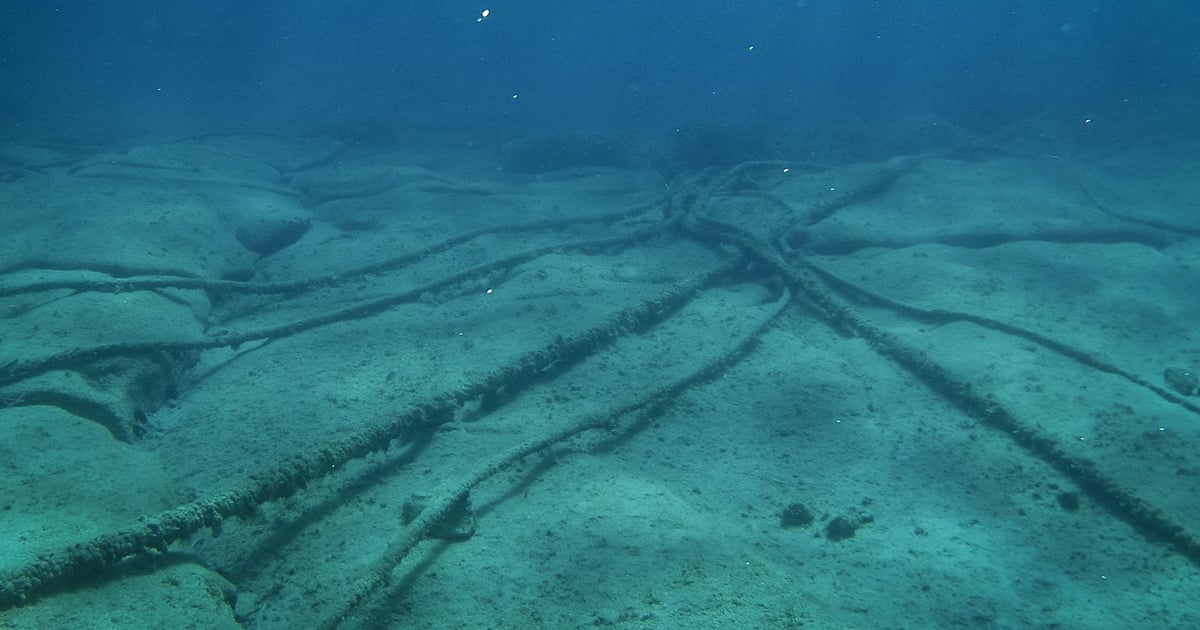
Submarine cables are like the unglamorous base in a human pyramid, an ignored set of muscles that allows the higher layers to gyrate. They exist in a murky world, unseen by all except the occasional translucent fish passing overhead at implosive depths. The average UK smartphone punter might whizz through 10 gigabytes a month. Three miles down and a few hundred west, the typical submarine cable is handling petabytes.
But those transatlantic routes connecting Europe to North America were looking much busier than Fagan had expected just a few months after EXA completed its Aqua Comms takeover. The deal brought ownership of several submarine cables, including American Europe Connect-1 (AEC-1), AEC-2, CeltixConnect-1 (CC-1) and CC-2. It also gave EXA a stake in the Amitié cable system (AEC-3).
Related:EXA boss is still waiting for Europe's AI boom "AEC-1 is considered probably the second most attractive route, if you're looking for latency across the Atlantic, after Express," said Fagan, referring to his own EXA Express cable, which stretches nearly 5,000 kilometers from Canada to the UK. Formerly a competitor, AEC-1 gave EXA an alternative route and extra resilience. But the world's insatiable appetite for data means capacity on all the transatlantic routes is quickly filling up. "You do the business case, right, and you fill up a fiber pair in three, four years," said Fagan. "We're filling it up in less than 24 months."
Pairing up
That has prompted EXA to begin work on a new transatlantic cable. The company's ninth, "EXA Meridian," as it is called, will be the first in a decade built by an operator and not a hyperscaler, it says. When EXA was rolling out transatlantic cables before 2020, they came with six fiber pairs, according to Fagan. The new 6,552-kilometer addition, running from a landing station in New Jersey to one near Bristol in the UK, will feature as many as 24 and bring "520 terabits" of capacity to the market, he said.
It will surprise no one to hear Fagan attribute much of the traffic demand to AI and the additional content it is creating. Model training and inference needs have had no discernible impact on usage by ordinary smartphone consumers. Ericsson's biannual Mobility Reports have recently shown an uptick in the rate of data traffic growth, which had been falling for years. But there is nothing in that slight increase to suggest AI represents a new paradigm. The pile-up is happening in the bowels of the network where EXA lives.
Related:EXA CEO: It's not just AI driving data center demand Traffic going back and forth between data centers naturally accounts for a lot of the recent growth, and Europe remains something of an AI void, from Fagan's perspective. "Where the data centers are right now – where they've gotten them up and running at the gigawatt level – they're basically all in North America or the Nordics," he said. "Europe hasn't seen those yet, so what they're having to do is pump all that traffic transatlantic to kind of feed those new data centers there."
If the European AI void presented a submarine opening for EXA, Fagan and his team have had to secure a sufficient volume of future business to justify the outlay. That process started about a year ago, and EXA's admonitions about a looming capacity crunch at first provoked skepticism. Its decision to begin rollout is evidence that the mood changed and enough customers were eventually persuaded of the need to lock up capacity. "You get the project funded to a level where you're on an acceptable return," said Fagan. "You basically derisk it." Demand obviously comes from hyperscalers and so-called "neoclouds" investing in AI infrastructure, but Fagan also counts financial services companies among his biggest clients. "What they're doing is they're actually feeding their AI engines back and forth from all their data centers for all their operations."
Related:Eurobites: EXA tackles Paris-Marseille bottleneck
Bottom feeders
Financial details about the investment are not being disclosed by EXA, which has been privately owned by I Squared Capital since 2021. What Fagan will say is that projects including the new submarine build are expected to increase capital expenditure, which came to about €137 million (US$158 million) in 2024, according to the last set of accounts filed with UK authorities by EXA Infrastructure Holdings.
"What we're getting requests for now is new builds with more capacity than what we've already built, and by a factor of ten," he said. "What that's doing is then obviously a great opportunity for us, but it's pushing up the capex. We have to balance that with what's the right project – how do we do this within our funding envelope."
Filings with Companies House, as the relevant UK authority is known, are always a year or two out of date. Nevertheless, according to the most recently filed set of financial accounts, EXA made revenues of about €353 million ($407 million) in 2024, an increase of about 2% on sales in 2023. Subterranean as opposed to submarine activity is responsible for a lot of that business, with EXA linking data centers on land to high-speed optical networks. Higher costs drove its net loss up a fifth, to almost €152 million ($175 million).
Laying the world's longest hose pipes across the ocean floor isn't a five-minute job. Besides lining up vendors including Xtera to manufacture the cable, EXA has had to find available slots with cable-laying vessels. "A lot of ships are booked for years," said Fagan. The new route is not expected to be operational until the final quarter of 2029.
But EXA does now have a "contract in force," signifying the project is real and funded with all the requisite commitments. "Obviously, we pre-sold capacity to a wide range of customers to help cover some of it, and then we'll keep some for leases and future sales," said Fagan. It will mean nothing to the ocean's bottom feeders that drift above it every day. For the data addicts on land, it may be hard to live without.