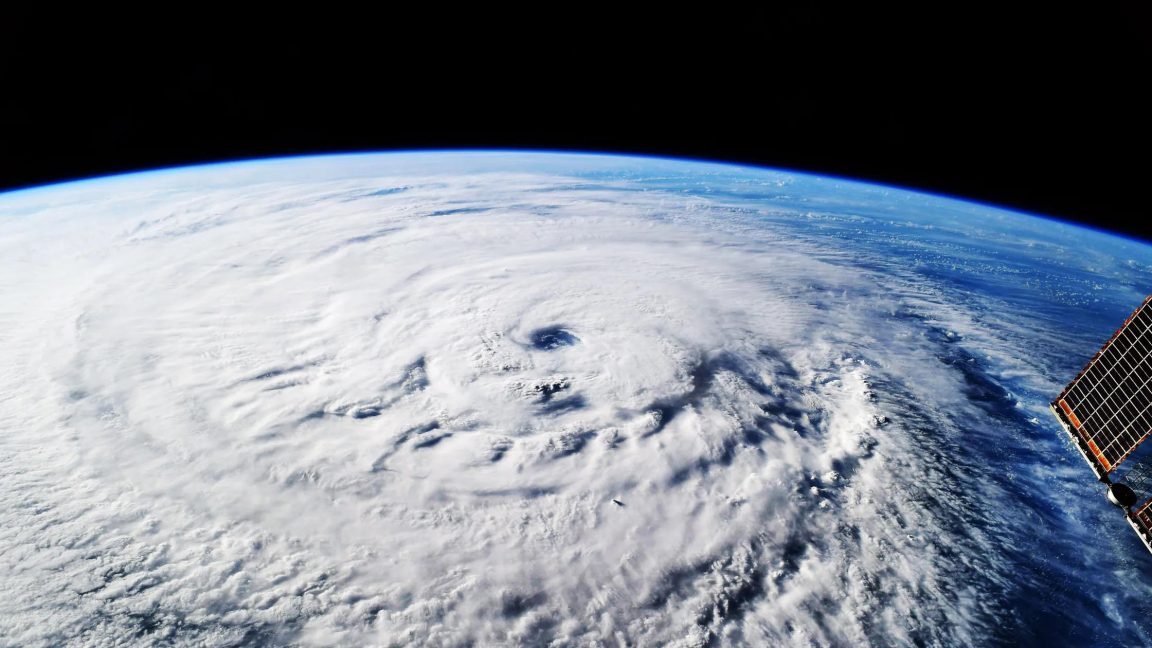
In October 2025, a storm brewed over the Caribbean Sea. Weather models differed on its trajectory. Would it remain weak and end up in Haiti, or would it intensify and head to Jamaica? Artificial intelligence model WeatherNext, developed by Google’s DeepMind and Google Research, went with the latter. Five days before landfall, it predicted with 80 percent confidence that the storm system would hit Jamaica as a Category 5 hurricane.
Hurricane Melissa was catastrophic, causing flooding and landslides across Jamaica. But the AI model helped forecasters give an earlier warning to communities in its path, so they could better prepare.
In a paper published on Thursday in Nature, researchers show that the WeatherNext AI model can predict cyclones with unprecedented accuracy. On average, it gives forecasters a day more lead time than existing models; this means its predictions three days out are as accurate as previous models’ predictions two days out. On the ground, that extra day can mean a lot.
“Even a few hours can make a difference,” says Mike Brennan, director of the US National Hurricane Center. Organizing evacuations, staging supplies, and moving resources to respond to a hurricane risk are all time-sensitive tasks—and making the wrong decision can have big consequences. “Time is really golden when it comes to those types of decisions, so the ability to push forecast accuracy out as much as a day beyond what we’ve previously been able to do is really valuable,” he says.
Historically, bringing forecasts forward by a day would take a decade of work, the researchers say.
Modeling extreme events can be challenging for AI. Machine learning requires ample training data in order to make future predictions, but extreme events are by nature rare occurrences. “We don’t have that much cyclone data, but we have a lot of weather data,” says Ferran Alet, a research scientist at Google DeepMind and one of the paper’s lead authors. “So what we did was train a model to be both good at weather as well as cyclones.”