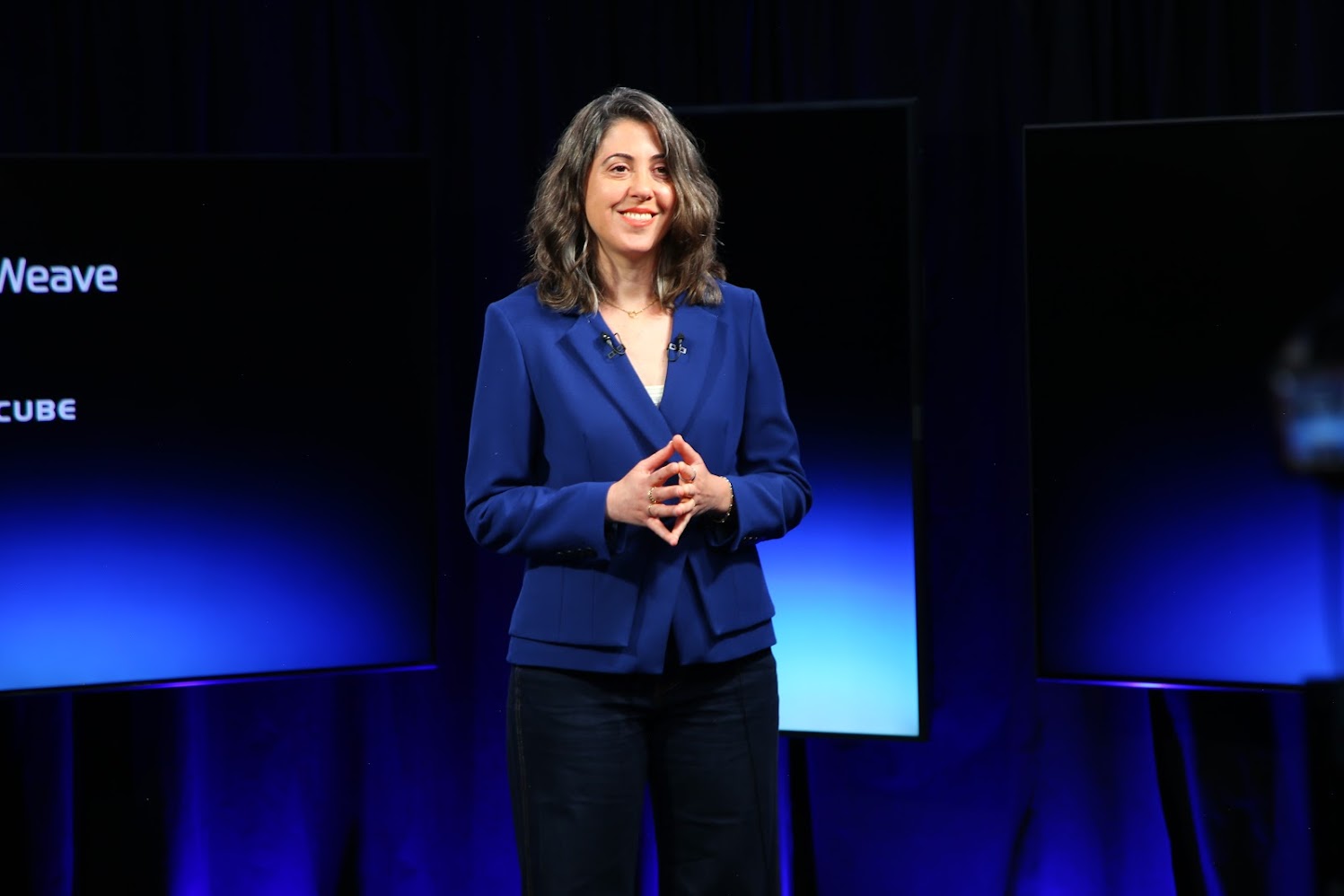
CoreWeave and Nvidia's latest venture into rack-scale computing could redefine AI architectures. Is this the future of autonomous systems?
In a significant move that could reshape AI computing, CoreWeave Inc. and Nvidia Corp. have joined forces to pioneer a system-level validation of a substantial rack-scale architecture. The announcement in June marks a turning point moment, hinting at a new direction for how we might manage and deploy autonomous systems in the future.
The Players: CoreWeave and Nvidia #
CoreWeave, known for its specialized cloud infrastructure, and Nvidia, a titan in graphics processing and AI, have long been at the forefront of technological innovation. Their collaboration signifies a strategic effort to address the burgeoning demand for more efficient and scalable computing solutions. The validation of this architecture not only showcases their technical prowess but also underlines their commitment to leading the charge in AI advancements.
Why Rack-Scale Matters #
Rack-scale computing isn't just a buzzword. it's a critical evolution in how we approach computing architectures. By validating a full rack-scale system, CoreWeave and Nvidia are effectively setting the stage for AI systems that can operate at unprecedented levels of efficiency and scale. But why does this matter? With the exponential growth of data and the corresponding demand for autonomous solutions, traditional computing architectures struggle to keep pace. Rack-scale systems, with their enhanced capacity and speed, are poised to become the backbone of next-generation AI applications.
The Future of AI Architectures #
This collaboration begs the question: are we witnessing the dawn of a new era in AI infrastructure? As autonomous systems become increasingly integral to various sectors, from healthcare to automotive, the need for solid, scalable, and efficient computing solutions becomes more pressing. The work of CoreWeave and Nvidia could very well chart the course for future developments in this space, setting a precedent for other technology providers to follow.
But the transformation won't be without its challenges. How will these advancements fit within existing regulatory frameworks? As AI systems become more autonomous, the ethical considerations surrounding data privacy, consent, and security will take center stage. Patient consent doesn't belong in a centralized database, yet, the drive for more integrated systems might tempt some to cut corners.
As we stand on the brink of this new chapter, one thing is clear: the stakes have never been higher. The FDA doesn't care about your chain. It cares about your audit trail. So, are CoreWeave and Nvidia ready to not just meet but exceed these expectations?.
Get AI news in your inbox
Daily digest of what matters in AI.