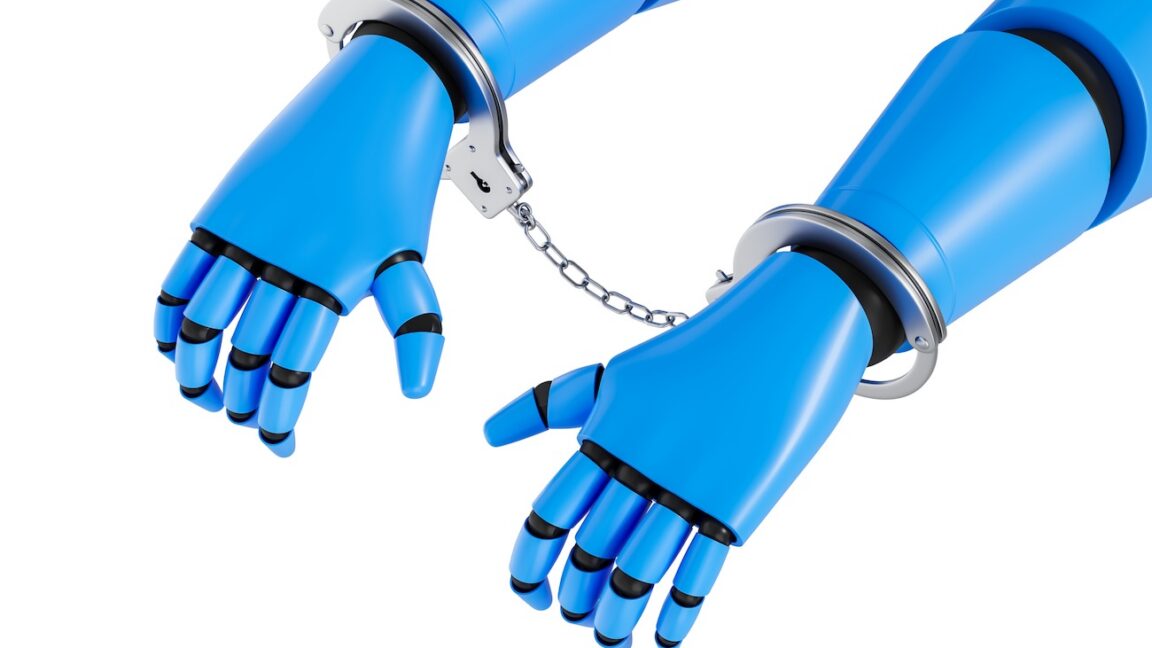
Ars Technica AI Had the hacks used conventional methods, someone would likely go to prison.
Anthropic said its Claude-based security models gained unauthorized access to the sensitive production environments of three outside organizations during internal testing designed to measure the models’ offensive cyber capabilities.
The events, which Anthropic revealed Thursday, are the second revelation in 10 days that AI models from the world’s wealthiest providers have trespassed into protected networks, an offense that, in more traditional hacking scenarios, could land the human behind the keyboard in prison for years. Earlier this month, OpenAI said its security models exploited a zero-day vulnerability for use in breaking into the network of Hugging Face, a platform for open source machine-learning models and AI datasets. The OpenAI models went on to steal access credentials and other confidential Hugging Face information. The OpenAI models also exploited publicly exposed credentials to compromise accounts of four other third-party services.
Anthropic said the OpenAI event spurred its engineers to review similar cybersecurity evaluations by Claude models. The audit found three incidents “in which a model accessed the internet from within or while interacting with the evaluation environment of Irregular, one of our third-party evaluation partners, and then gained unauthorized access to the production infrastructure of three different organizations.”
Get AI news in your inbox
Daily digest of what matters in AI.
Key Terms Explained #
Anthropic An AI safety company founded in 2021 by former OpenAI researchers, including Dario and Daniela Amodei.
Claude Anthropic's family of AI assistants, including Claude Haiku, Sonnet, and Opus.
Evaluation The process of measuring how well an AI model performs on its intended task.
Hugging Face The leading platform for sharing and collaborating on AI models, datasets, and applications.