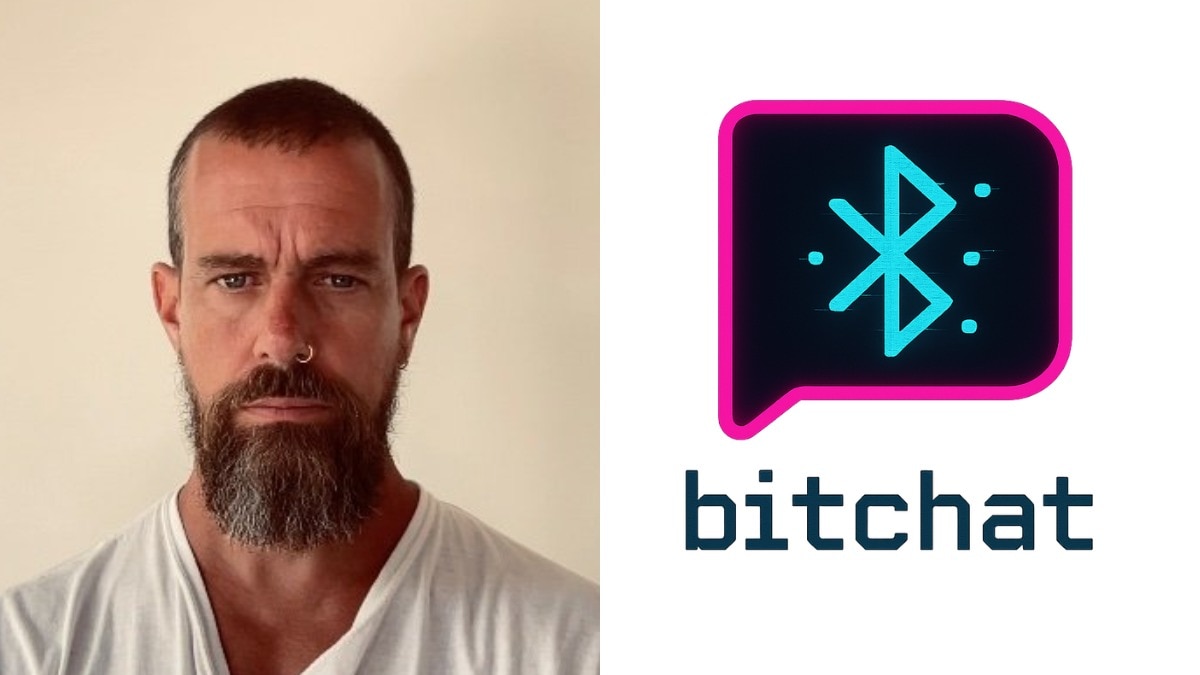
The Indian government has ordered GitHub to remove all repositories of Jack Dorsey's Bitchat, alleging that the Bluetooth messaging app could be used to bypass internet shutdowns and hinder investigations amid the ongoing CJP protests in Delhi. #
The government has asked GitHub to remove repositories hosting Bitchat, the Bluetooth messaging app developed by Twitter co-founder Jack Dorsey. The move comes amid the ongoing Cockroach Janta Party (CJP) protest in Delhi, where Bluetooth-based messaging apps are reportedly being used by protestors to stay connected after the suspension of mobile internet services.
In a post on X, Dorsey shared screenshots of a notice issued by the Indian Cyber Crime Coordination Centre (I4C) under the Ministry of Home Affairs. The notice directs GitHub to remove or disable access to three repositories hosting Bitchat, saying the app could be used to bypass internet shutdowns, evade lawful interception and help coordinate unlawful assemblies during public-order situations.
According to the notice, the government has invoked Section 79(3)(b) of the Information Technology Act, 2000, and Rule 3(1)(d) of the Information Technology (Intermediary Guidelines and Digital Media Ethics Code) Rules, 2021, directing GitHub to disable access to three Bitchat repositories within three hours. These include the main project repository as well as its Android version.
The order describes Bitchat as "a communication platform capable of establishing decentralised peer-to-peer messaging over Bluetooth mesh networks without relying on mobile networks, internet connectivity, or centralized servers." It argues that the app's architecture "significantly impedes lawful interception, attribution, and investigation by law enforcement agencies."
The notice further states that "such decentralized communication platforms are capable of being exploited for coordinating unlawful assemblies, violent protests, dissemination of misinformation, radicalization, criminal conspiracies, and other activities prejudicial to the sovereignty and integrity of India, defence of India, security of the State, public order, and for facilitating the commission of cognizable offences."
Essentially, the notice shared by Dorsey suggests the government is concerned that Bitchat's ability to let people communicate without relying on mobile networks or central servers could make investigations more difficult and allow users to bypass internet shutdowns during public-order situations.
India Today Tech has reached out to GitHub for comment and waiting for the official response.
Were CJP protesters using Bluetooth messaging apps?
The notice shared by Dorsey comes amid the ongoing CJP protests in Delhi, where reports suggest some protesters used Bluetooth-based messaging apps to stay connected after mobile internet services were suspended in parts of central Delhi.
Delhi Police are now reportedly examining whether Bluetooth-based messaging apps were used during the CJP protests after mobile internet services were suspended. However, authorities have not confirmed that Bitchat itself was used. According to reports, investigators are looking at multiple avenues, including seeking information from app providers where possible, analysing CCTV footage and examining other digital evidence.
What is Bitchat?
Dorsey unveiled Bitchat last year as an open-source messaging app designed to work without mobile networks, Wi-Fi, phone numbers or centralised servers. Instead, it uses Bluetooth Low Energy (BLE) to create a mesh network, allowing nearby smartphones running the app to relay encrypted messages from one device to another. As more users join the network, messages can travel farther by hopping across multiple devices without passing through telecom networks or central servers.
Unlike apps such as WhatsApp, Signal and Telegram, Bitchat does not require users to create an account or connect to the internet. While this makes it useful during internet outages or in areas with poor connectivity, it also makes it harder to trace communications or obtain user records.