Beijing approved purchases for ten major tech companies, but not a single chip has actually been delivered yet
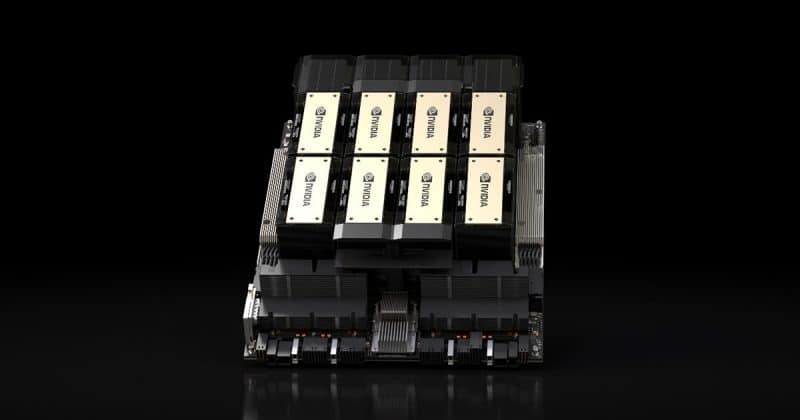
China is opening a narrow door for its biggest AI companies to acquire Nvidia’s H200 chips. The US Commerce Department approved sales of H200 chips to roughly ten major Chinese technology firms, including Alibaba, Tencent, ByteDance, and JD.com. Each company can purchase up to 75,000 chips. That’s a combined potential order of hundreds of thousands of processors, and yet, as of mid-May 2026, zero chips have actually changed hands.
A green light nobody’s driving through #
The Chinese government directed its major tech firms back in January 2026 to prepare orders for over 400,000 chips combined. The H200 represents a significant leap over earlier Nvidia models like the H20, which was previously the most advanced chip China could legally import. It offers substantially higher processing power and memory bandwidth, making it far more capable for training large AI models.
Beijing has been pushing hard for domestic semiconductor self-sufficiency, with Huawei’s Ascend chip line positioned as the homegrown alternative. China’s strategic direction emphasizes that foreign chip access is subject to special circumstances, not a default procurement strategy.
The semiconductor chess match #
The US and China have been locked in an escalating technology cold war over advanced semiconductors, with Washington progressively tightening export controls on cutting-edge AI chips, forcing Nvidia to design special downgraded versions for the Chinese market. The Trump administration’s decision in December 2025 to allow exports of the H200 was seen as a minor easing of these restrictions. The 75,000-chip cap per company functions as a built-in constraint, enough to be useful but not enough to fuel an unrestricted AI buildout.
What this means for investors #
The approval of sales to ten Chinese companies sounds bullish on paper. A potential 400,000-plus chip order would represent meaningful revenue. But as of mid-May 2026, the actual commercial impact has been exactly zero.
Investors in the broader semiconductor space should watch two indicators closely. First, whether any of these approved H200 purchases actually convert into deliveries in the coming months. Second, the pace of Huawei’s chip development and adoption among China’s AI leaders, given that Chinese firms are being steered toward domestic solutions by policy rather than pure market forces.
Disclosure: This article was edited by Editorial Team. For more information on how we create and review content, see our