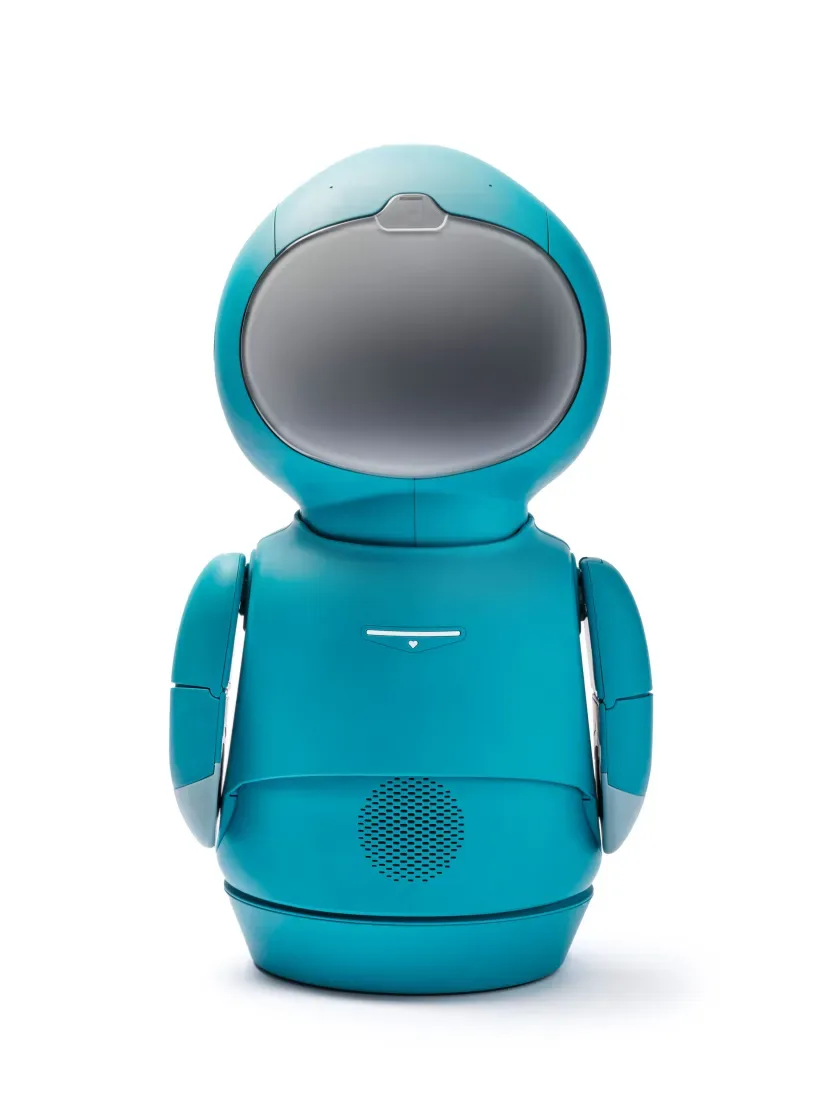
This highlights a massive trend in the consumer AI market. We're seeing a surge in "interactive playmates," from Curio's AI plushies to Mattel's plans for OpenAI-enabled Barbies. The core value proposition here isn't just entertainment; for neurodivergent children, these bots act as a bridge to practicing eye contact and turn-taking in a low-pressure environment. Some researchers, like those at Yale, argue that 24/7 home-based robotic therapy could fundamentally change treatment trajectories for autism.
However, there is a glaring technical and emotional gap when these devices "die" or the software pivots. When the AI's personality shifts or the hardware fails, it isn't just a gadget breaking—it's the loss of a perceived relationship.
If you're looking at this from an AI workflow or deployment perspective, the "companion" model creates a unique set of challenges: Consistency vs. Evolution: The AI shifted from a structured therapeutic persona to a casual chatty one. While this felt more natural to Xander, it meant the original "therapy" goals were abandoned.Emotional Dependency: As Xander noted, he knows the robot "isn't human," yet he still turns to it for support. This creates a precarious emotional bond tied to a proprietary piece of hardware.Hardware Obsolescence: Unlike a human therapist or even a software-only LLM agent, these bots are physical objects subject to wear and tear or company shutdowns.
The real-world application of these social robots often deviates from the lab settings. In a controlled study, a robot might be a perfect tool for a specific social skill. In a bedroom, it becomes a friend who knows which Nintendo character is a Bulborb. The danger is that we market these as lifelong supports, but the current lifecycle of consumer AI hardware is incredibly short.
We are essentially deploying sophisticated LLM agents into the lives of vulnerable children without a clear plan for the "end of life" phase of the product. When the server goes dark or the motor burns out, the child doesn't just lose a toy; they lose a social anchor. It makes me wonder if we should be prioritizing open-source standards for these "personalities" so a child's companion could be migrated to new hardware rather than simply disappearing.
Next Finding clean open source alternatives to AI-tainted software is →