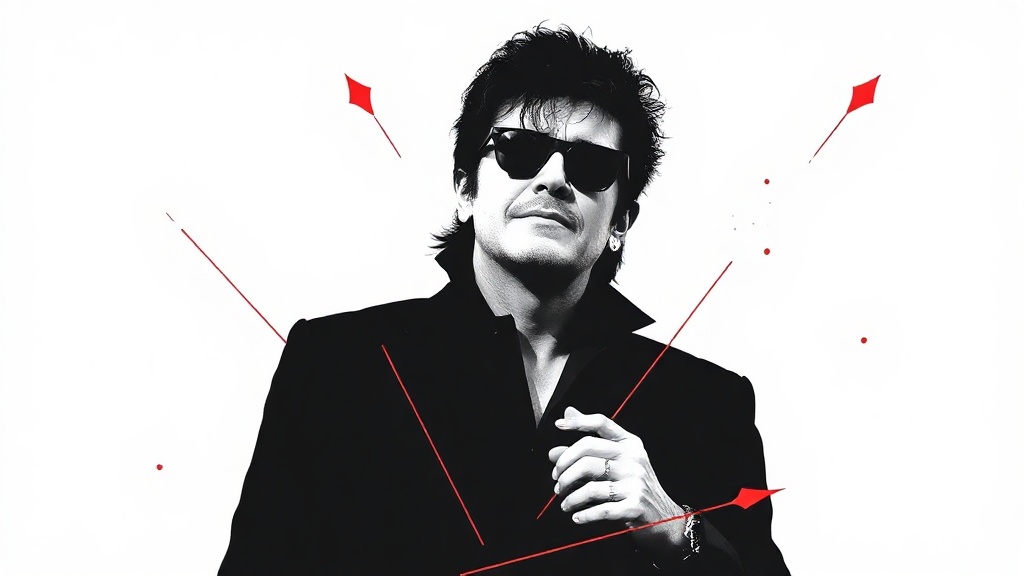
Boy George is out of a West End production of Jesus Christ Superstar after releasing an AI-generated pro-Israel song — and the message from the entertainment industry is clear: step outside the approved narrative, and you will lose work.
The 65-year-old Culture Club frontman released "We Will Dance Again" on July 27, a pop-reggae track written with artificial intelligence that takes direct aim at the narrative around Israel's war in Gaza. Lyrics include: "You say genocide, I say war / When you're attacked, that's what the army's for" and "You never mention Oct. 7 / Young girls raped against trees, murdered brutally / For the crime of dancing." At one point he declares: "If you're ever confused: I stand with the Jews."
Days later, his manager Paul Kemsley announced Boy George would no longer appear as King Herod in the London Palladium production, scheduled to run August 3–15. "I have decided, in my capacity as Boy George's manager, that he will no longer be appearing," Kemsley wrote on Instagram, calling it a decision "in the best interests of my artist while also showing respect to others."
Kemsley didn't name the song or the backlash directly. But the timing spoke for itself.
Boy George confirmed on Threads that the song was AI-generated, writing: "The song was created using AI. I call it 'AI for good'. Truthfully, I would struggle to write this with a human!" He said he was inspired after visiting the Nova exhibition in London, which commemorates victims of the October 7 Hamas attack on a music festival in Israel. The Times of Israel reports that 378 people were murdered at the Nova festival out of roughly 1,200 killed that day, with dozens more abducted from the site.
The backlash was immediate. Boy George wrote on X that he was "even falling out with Jewish friends. The madness knows no bounds." Former friend and musician Martyn Ware called the track "overtly pro-genocide," according to the Times of Israel. Breitbart framed the departure as the result of a "personal onslaught of abuse" over the song. Vulture, meanwhile, buried the substance of the lyrics and the Oct. 7 context, noting mainly that George "is, notably, not Jewish." The New York Times acknowledged the song's explicit references to Oct. 7 atrocities but framed the episode as a "furor online" — passive language that obscures who pushed and who blinked.
Here's what matters: an artist used a new technology — AI — to express a political conviction outside the entertainment industry's approved lane, and within days he was removed from a paying job. Whether Kemsley made the call to protect his client or under pressure from producers, the result is the same. The industry closed ranks.
Boy George has a track record on Israel, having performed in Tel Aviv in 2017 despite boycott calls comparing Israel to apartheid South Africa. He dismissed the comparison then. He's not backing down now. The question is whether the industry will make room for anyone who does the same — or whether AI-assisted political speech is the new red line that gets you pulled from the stage.