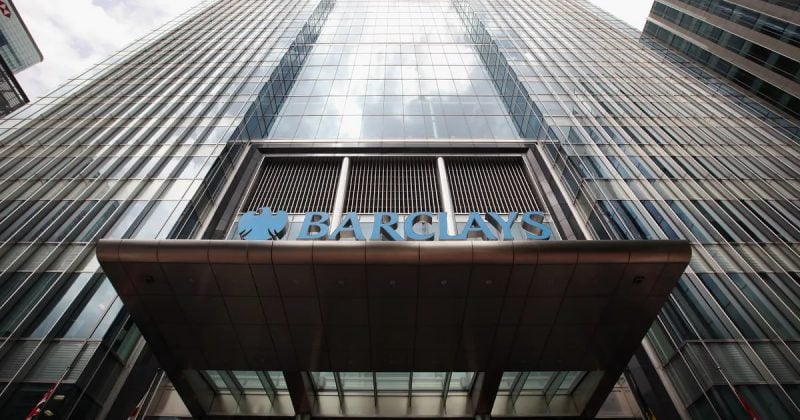
Photo: Oli Scarff / esgdive.com
The British banking giant is betting big on artificial intelligence to reshape its operations, raising profitability targets in the process
Barclays is pouring hundreds of millions into AI infrastructure, a wager that the bank believes will fundamentally rewire how it operates. The bank has raised its return on tangible equity target to above 14% through 2028, up from a prior goal of over 12% by 2026.
The AI rollout in practice #
In June 2025, Barclays announced it would deploy Microsoft 365 Copilot to 100,000 employees globally. That’s not a pilot program or a sandbox experiment. That’s the entire workforce getting AI tools baked into their daily workflows.
On June 9, 2026, Barclays invested in CommonAI, a company focused on building trusted AI infrastructure specifically designed for regulated sectors like financial services. Regulated industries need AI systems that are auditable, explainable, and won’t accidentally mishandle compliance requirements. That investment signals Barclays is thinking about the plumbing, not just the fixtures.
Why this matters beyond banking #
Barclays reported a 12% increase in profit before tax to £9.1 billion in 2025. The bank has engaged McKinsey to help identify operational efficiencies that AI can unlock.
Barclays has also been running initiatives like Eagle Labs and publishing AI:100 reports that track high-growth AI firms in the UK, with an emphasis on safety and compliance.
What this means for investors #
Investors watching the banking sector should track Barclays’ cost-to-income ratio over the next several quarters. That’s where AI-driven efficiency will show up first. If the ratio starts compressing while revenue holds steady or grows, it validates the thesis that AI spending at this scale can generate real returns.
Disclosure: This article was edited by Editorial Team. For more information on how we create and review content, see our