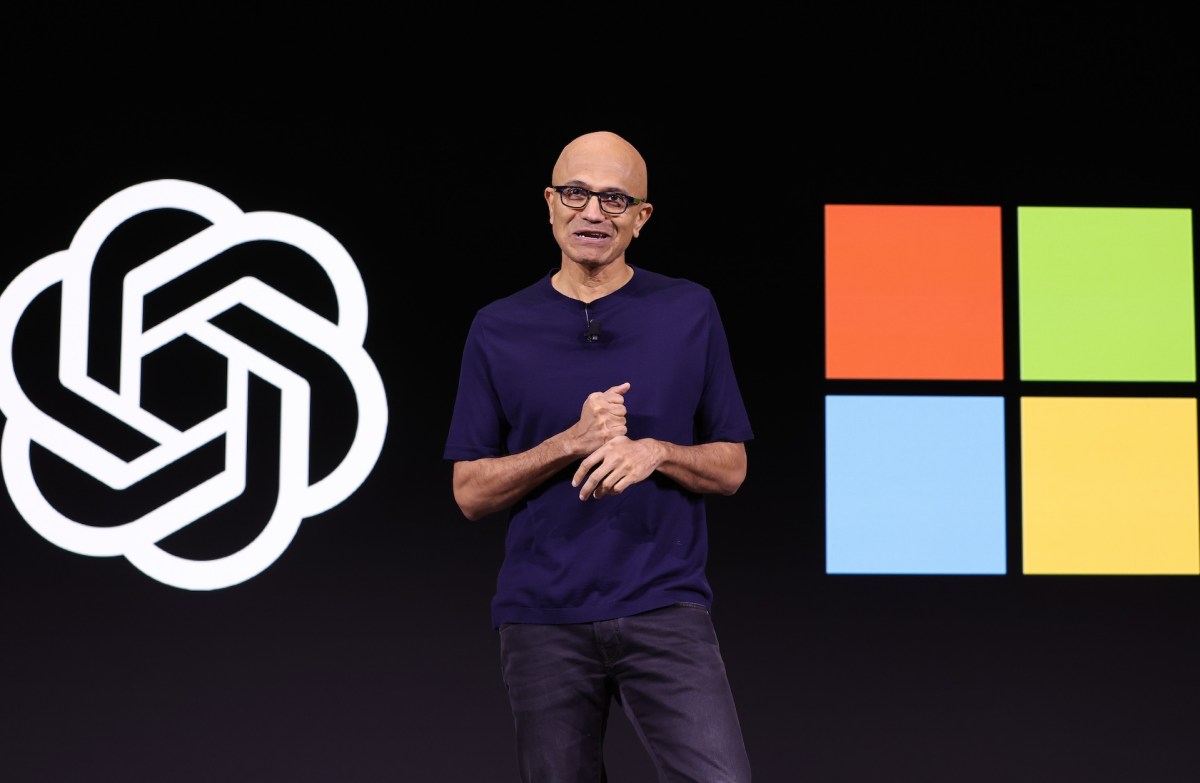
In Silicon Valley, the buzz is about AI labs and their proprietary models. Are they the next Trojan horses in tech?
Silicon Valley's buzzing about AI labs. The talk isn't just about how fast these models are advancing. It's about the fear that these powerhouse labs might be pulling a Trojan horse on the industry.
The Shadow of Proprietary Models #
For those who've ever trained a model, you know the lure of having the best, most advanced tools at your disposal. Think of it this way: owning a top-tier proprietary model is like having a Formula 1 car in a race against bicycles. But here's where the anxiety kicks in. The big players in AI, those with massive compute budgets and vast datasets, might be locking down not just technology but the entire playing field. Consider this: when major labs like OpenAI or Google release their models, they're often proprietary. That's a fancy way of saying, 'We hold the keys to this car, and you're just a passenger.' Can you imagine a world where every time you want to innovate, you've to pay a toll or ask for permission? That's why this matters for everyone, not just researchers.
The Cost of Innovation #
Look, innovation isn't cheap. The cost to train a competitive AI model runs into tens of millions of dollars. OpenAI reportedly spent $12 million just to train GPT-3. Smaller companies can't compete with that. It's like pitting a local theater group against Hollywood. So the question is: Are these AI labs stifling the little guys?
But let's not get too doom and gloom. Proprietary models can push boundaries and accelerate progress in ways open-source can't always match. Yet, if these giants don't play nice, the very innovation they foster could be at risk.
Why You Should Care #
Here's the thing, this debate isn't just academic. It's about who gets to shape the future of AI. Will it be a handful of tech behemoths holding all the cards? Or will there be room for new voices, new ideas, and new breakthroughs? The analogy I keep coming back to is a garden. If one company owns all the seeds, they control what blooms.
So, what's the takeaway? Keep an eye on these AI labs. Their next moves could decide not only the future of technology but who gets to play on the field at all. The stakes are high, and the race is on.
Get AI news in your inbox
Daily digest of what matters in AI.