An AI-driven semiconductor shortage is forcing consumer tech giants to pass costs directly to buyers, with Apple raising prices up to $300 and Microsoft preparing its third Xbox hike in under a year
Apple and Microsoft both announced price increases on their flagship hardware products on Thursday, blaming what they described as an unprecedented crisis in semiconductor components. The culprit, ironically, is the very technology both companies have been racing to dominate: artificial intelligence.
Apple’s price hikes took effect immediately on select MacBook and iPad models, with increases reaching up to $300, or nearly 20%, on certain configurations. Microsoft, meanwhile, announced that Xbox console prices will climb by $100 to $150 starting August 1, marking the company’s third hardware price adjustment in less than a year.
What’s actually happening to prices #
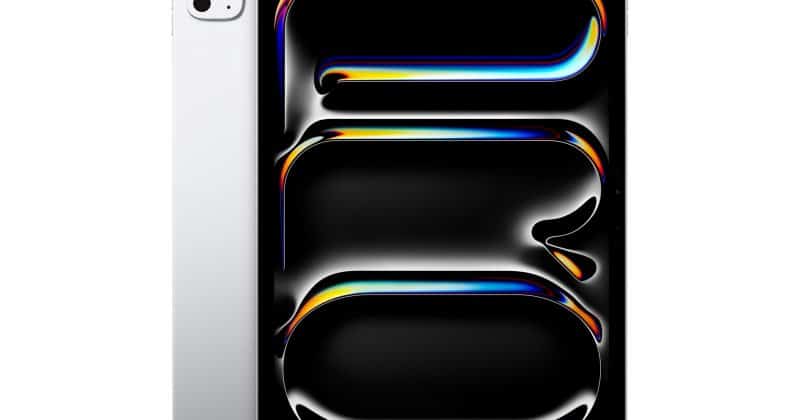
The Apple increases are substantial enough to notice. The MacBook Neo jumped from $599 to $699. The iPad Pro Wi-Fi 256 GB model went from $999 to $1,199, a $200 bump that lands squarely in “maybe I’ll just keep my old one” territory.
Apple CEO Tim Cook indicated the company had been absorbing rising component costs for some time but reached a point where that was no longer sustainable.
Microsoft’s Xbox situation is arguably more striking. A third price hike since late 2025 suggests the company is chasing a moving target on costs rather than making one clean adjustment. The company is also discontinuing its 2 TB Xbox model entirely.
Investors were not thrilled with the Apple news. The company’s stock dropped roughly 6% on the day of the announcement.
The AI connection #
The semiconductor components driving these price hikes are memory chips and NAND storage, the same building blocks that AI data centers are consuming at an extraordinary rate. High-bandwidth memory, the type of chip that sits inside AI accelerators, has seen demand explode alongside the growth in AI infrastructure spending. But the fabrication plants that make these chips also share capacity and raw materials with the facilities producing consumer-grade memory.
Both Apple and Microsoft explicitly cited this dynamic in explaining their price adjustments.
Why this matters beyond gadgets #
For the crypto market, this story matters in ways that aren’t immediately obvious. First, the semiconductor shortage is a direct consequence of AI infrastructure buildout, the same buildout that’s driving demand for GPU computing, decentralized compute networks, and AI-adjacent crypto tokens.
Second, the inflationary signal here is hard to ignore. When Apple and Microsoft, two of the most efficient supply chain operators on the planet, can’t absorb component cost increases, it suggests a structural shift rather than a temporary blip.
Third, Apple’s 6% stock decline on a single pricing announcement is a reminder of how fragile sentiment can be when growth narratives collide with cost realities.
The discontinuation of Microsoft’s 2 TB Xbox model is a small but telling detail. When a company decides an entire product configuration is no longer economically viable, that’s not a temporary supply hiccup. That’s a company making structural decisions about what it can and cannot afford to sell.
Disclosure: This article was edited by Editorial Team. For more information on how we create and review content, see our