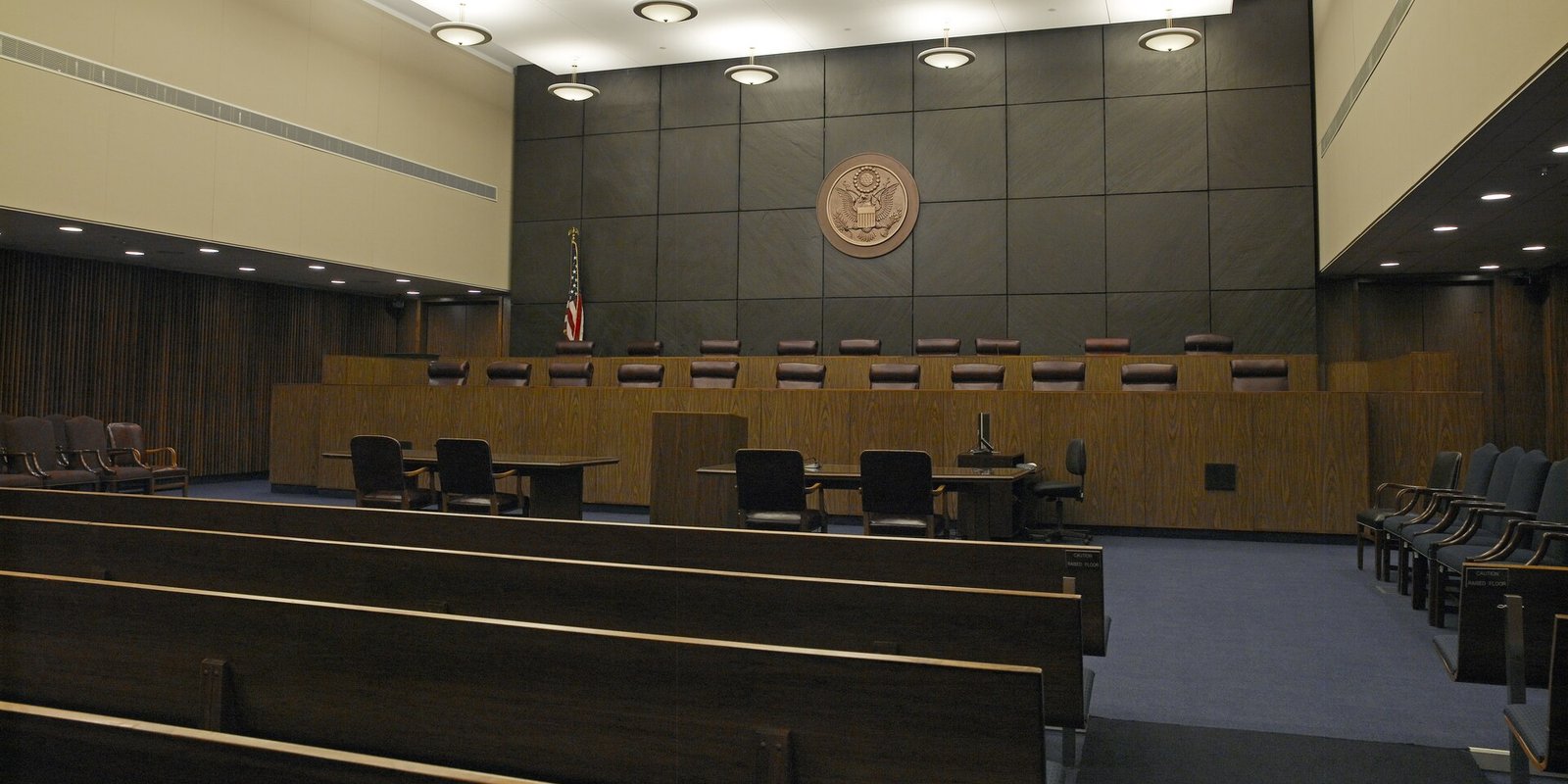
A courtroom in the James A. Byrne US Courthouse in Philadelphia, where the 3rd Circuit sits (2007). Image: Carol M. Highsmith / Wikimedia Commons, Public domain, cropped
For the first time, a US appeals court has ruled on whether training AI on someone else’s copyrighted work counts as fair use, and the answer was no. The 3rd US Circuit Court of Appeals on Tuesday upheld Thomson Reuters’ win against Ross Intelligence, a former legal research rival accused of using material from Westlaw to train an AI search engine, Reuters reported.
What the case was about #
Thomson Reuters sued Ross in 2020, accusing it of copying thousands of Westlaw “headnotes”, the short summaries of legal points that sit at the top of court opinions. Ross used them to train its own AI tool, which found relevant court decisions in answer to users’ questions. Ross shut its platform down in 2021, blaming the cost of the lawsuit.
Ross argued that training its AI on the headnotes was fair use, the part of US copyright law that allows some copying without permission, for example when the new use transforms the original. A federal judge in Delaware rejected that argument last year:
Ross took the headnotes to make it easier to develop a competing legal research tool. So Ross’s use is not transformative.
US Circuit Judge Stephanos Bibas, sitting as the trial judge in Delaware
The Philadelphia-based appeals court has now backed that decision. Its reasoning is under seal for now, so it isn’t yet clear how broadly the judges framed their ruling.
Why AI companies are watching #
Dozens of lawsuits from authors, news publishers, music labels and others accuse AI companies of training on their work without permission. The biggest names, including OpenAI, argue that training is fair use because it turns the material into something new. OpenAI made exactly that case in its fight with authors over books taken from the LibGen piracy site.
This is the first of those disputes to reach a US appeals court, so other judges will look closely at it. But there’s an important difference: Ross’s tool wasn’t generative AI. It didn’t write new text, it pointed users to existing court opinions, which made it a more direct competitor to Westlaw. AI companies are likely to argue that chatbots and image generators are far more “transformative” than a search engine built to replace the product it copied from.
“Respecting copyright is essential” #
A Thomson Reuters spokesperson said the company was pleased with the ruling and “firmly believes that respecting copyright is essential for fostering innovation while protecting the intellectual property that fuels fiduciary-grade AI solutions.” Ross and its lawyers hadn’t commented. Thomson Reuters is the parent company of Reuters News.
The ruling also lands as more publishers look for ways to get paid for their work, such as the libraries and archives that have quietly struck deals with AI labs.
Why it matters #
Until now, AI companies could point out that no appeals court had ruled against training on copyrighted work. That argument is gone. The ruling doesn’t decide the big generative AI cases, but it gives rights holders their strongest precedent yet, and the court’s full reasoning, once unsealed, will be read line by line by both sides.
Sources: Reuters (September 29, 2026).