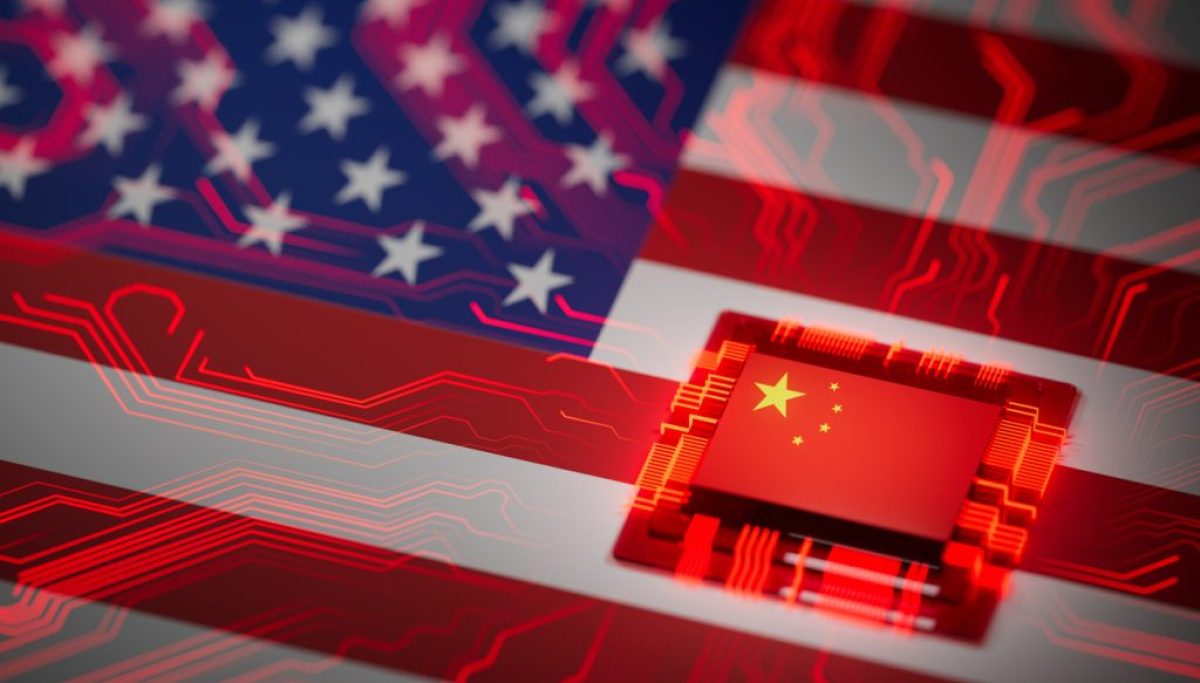
Anthropic CEO Dario Amodei recently argued that artificial intelligence development may need to slow down for safety reasons, while also urging tighter restrictions on U.S. chips and technology to prevent China from pulling ahead. Meanwhile, OpenAI is explicitly asking the U.S. federal government to impose mandatory national safety rules on frontier AI, and Anthropic’s policy framework goes even further, suggesting governments should have the legal authority to block or deter deployments of dangerous systems.
Beijing quickly pushed back and blasted Anthropic’s calls to slow AI as a “Cold War” tactic. But this clash reveals a glaring strategic paradox: If Western AI governance leans toward becoming more dependent on government safety controls, it risks shifting the competition onto Beijing’s home turf. What happens when the system designed to control technological risk also becomes a gatekeeper for who can participate?
Stay informed.Stay ahead. #
Join Washington Examiner for unlimited access to the news, analysis, and commentary that matter most.
[See Options](https://www.washingtonexaminer.com/subscribe/digital/)

Already a member? [Log in](https://www.washingtonexaminer.com/sign-in/)

[Click here to login/register your account](https://www.washingtonexaminer.com/print-subscription-check)