Study participants loved the technology, a result that surprised researchers
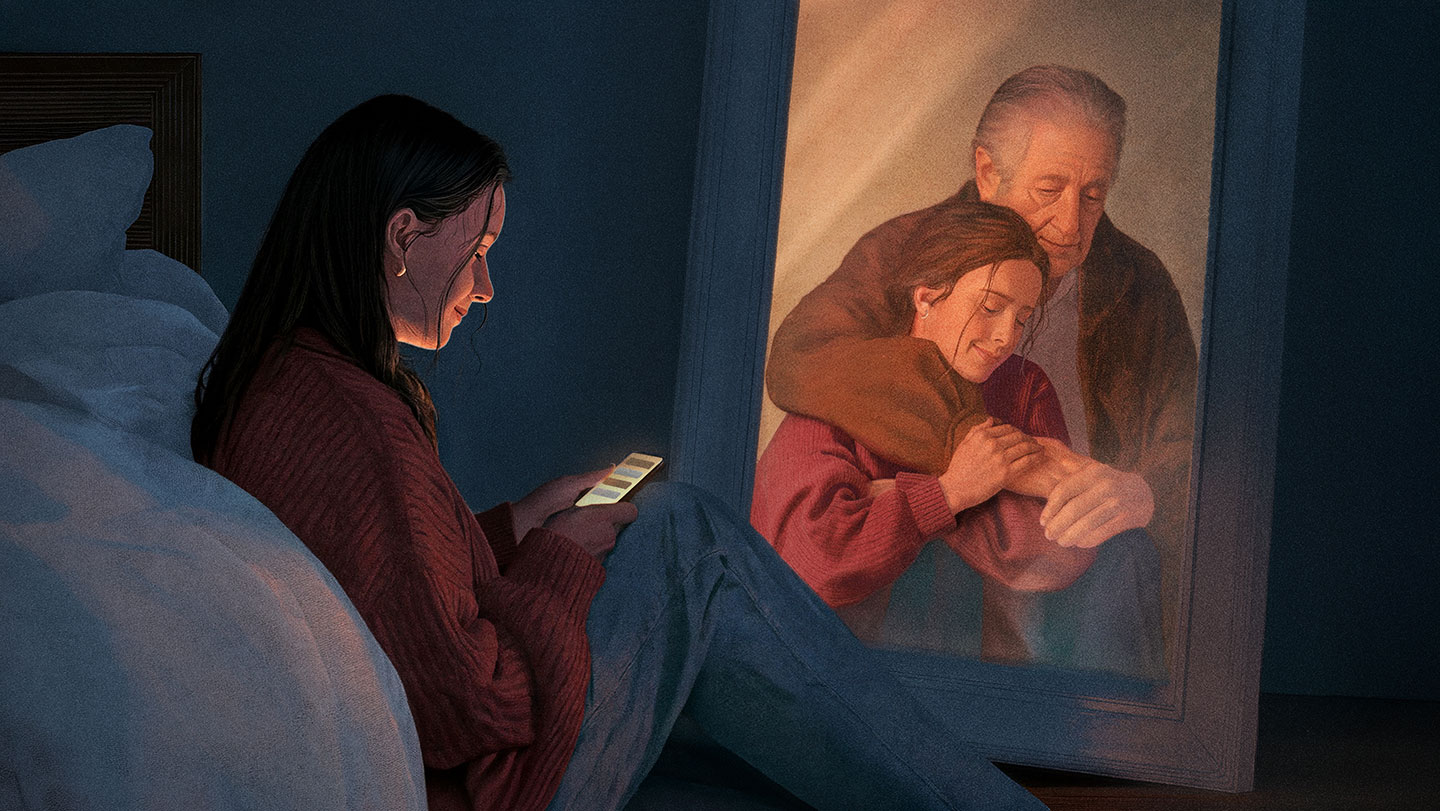
Would you want to speak with an AI-generated “ghost” of a loved one? The idea might seem creepy or cathartic.
To 16 volunteers, these conversations were often comforting, even when the chatbot acting as the ghost invented facts, information scientist Jack Manning and colleagues report June 12 in the proceedings of the Designing Interactive Systems Conference. The results suggest that, for people open to using such technology, AI ghosts, also called griefbots or deadbots, don’t need to be perfectly accurate to feel real. They need to meet emotional and social expectations.
Manning, of the University of Colorado Boulder, was very surprised by how much the volunteers enjoyed speaking to the AI-generated ghosts. “They love this technology,” he says. His 13-year-old sister had died when he was 11. Now, he feels a strong aversion to the idea of talking with her digital ghost.
“I have a version of my sister in my head,” he says. “I wouldn’t want to be confronted with the fact that maybe I’m wrong in my way of remembering her.”
His study volunteers, however, “clearly came with a goal in mind,” Manning says. “They had a question they felt was unanswered or a detail in their life they were desperate to share.” People who did not want to interact with a re-creation of a deceased loved one were not included.
Across the board, volunteers reported the experience was positive. “It felt like I was actually talking with my grandpa,” one participant told researchers. Another said, “It just feels like I’m getting the closure I needed so bad.”
The only information the chatbot had to draw on for its impersonation was a brief survey that the participant had completed about their deceased loved one. And when the bot filled in missing details with fabrications, such as mentioning a job someone never held, participants often just plowed forward.
Mistakes in tone or style bothered them much more. For example, the bot never used emojis — a small omission that mattered to participants who had mostly communicated with their loved ones by text. In another case, a bot called a participant “champ,” a name he said his loved one never would have used.
“If we want to understand how to design these systems ethically, we need more evidence of this kind,” says AI ethicist Tomasz Hollanek of the University of Cambridge, who was not involved in the research.
The study had guardrails. A human researcher mediated each conversation, reviewing the chatbot’s replies before passing them to participants. That helped prevent interactions that might be deceptive or harmful.
The real world is messier. Anyone can prompt a chatbot to impersonate someone who has died, and companies now sell services that recreate loved ones through AI-generated text, voices or faces. Study participants saw the risks. One worried about becoming too reliant on conversations with the bot. Another said, “I don’t know if I would like the person I would become if I kept using this.”
The lack of consistent guardrails in the real world concerns Manning. But the study also softened his own aversion to AI-generated ghosts. Designed carefully, the technology might help some people work through grief, he says. “There is a version of generative ghosts that could be a really positive thing in the world.”