ARIA Charts update rules to protect human creativity while allowing AI-assisted music #
Australia's official music charts will no longer allow wholly AI-generated songs, after an AI-assisted cover of Madonna's 'Like a Prayer' climbed near the top of the country's rankings.
The Australian Recording Industry Association, which runs the ARIA Charts, has updated its code of practice to block recordings made entirely with generative AI.
The new rules will apply to the ARIA Chart dated Monday, 31 August, which will be published Friday, 28 August. Wholly AI-generated recordings will also be ineligible for ARIA Awards.
Under the revised guidance, music involving generative AI can still chart only if it is 'substantially human made' and does not raise concerns about stream or chart manipulation.
Songs that use AI as a supporting tool will remain eligible. But tracks where AI created the main creative elements, such as a lead vocal or key instrumental part, would likely be ineligible under the standards ARIA is adopting.
Madonna Cover Put AI Rules Under Scrutiny #
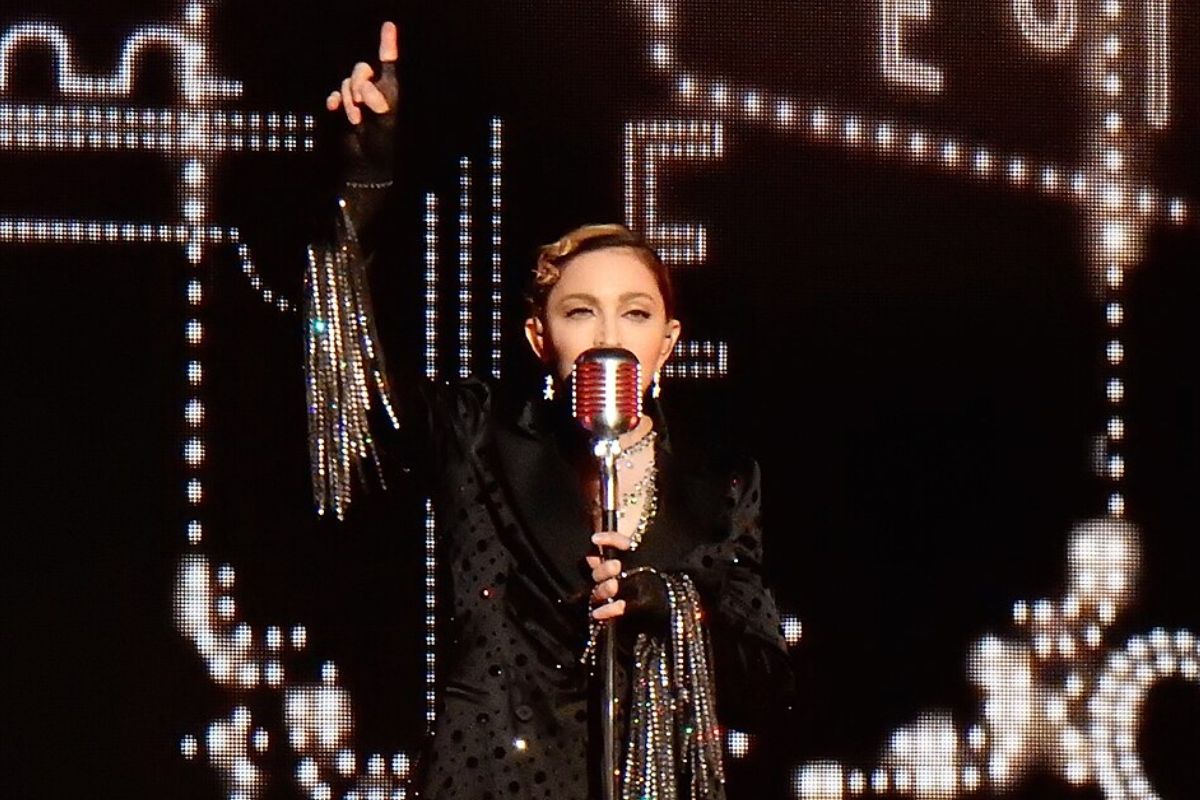
The change follows controversy over a cover of Madonna's 'Like a Prayer' by Queensland DJ and producer Josh Fawaz, which spent weeks on ARIA's charts and was No. 4 on the Top 20 Australian Singles chart when the changes were announced, after previously peaking at No. 2.
The track drew heavy criticism because it used AI-generated vocals and drums, which were later disclosed in its Spotify credits. It also gained major traction on streaming platforms and became the most-played song on Australian radio.
Producer Mitch Thomas was among those who criticised the song online, alleging it had been generated using AI and suggesting it may have come from the platform Suno.
Fawaz pushed back in the comments, saying he used AI 'as a tool' and later added credits for generative AI vocals and AI drums to the song's Spotify listing.
ARIA has not publicly ruled specifically on Fawaz's track under the new system. However, an ARIA spokesperson said the standards would likely disqualify a recording if its lead vocals or key instrumental elements were AI-generated, suggesting 'Like a Prayer' may no longer qualify.
'Human Nature of Artistry' #
ARIA chief executive Annabelle Herd said the rule change was meant to protect human creativity while still recognising that musicians may use AI in supporting roles.
'These changes reflect our intent to remain dynamic and promote the human nature of artistry in what is — to say the least — a rapidly developing space,' Herd said.
She added that artists already use AI tools in their work, and the charts should allow room for that.
But she said there is a clear difference between AI as a supporting tool and music generated wholesale by systems that may have been trained on artists' recordings without authorisation.
'The ARIA Charts will always remain a transparent measurement of the music Australia consumes, but a chart that rewards unlicensed AI output would undercut the very basis of the recorded music we exist to represent,' Herd said.
ARIA Adopts Industry AI Definitions #
ARIA will use definitions from a labelling standard announced by the global music industry in July to distinguish AI-generated recordings from AI-assisted ones. The approach follows principles developed by the International Federation of the Phonographic Industry (IFPI).
The IFPI said more than 20 official chart programmes were adopting the principles, which require eligible recordings involving generative AI to be 'substantially human made' and free from manipulation concerns.
The wider goal is to create a clearer boundary between human-led music and works made mostly by automated systems.
Global Industry Faces AI Challenge #
Australia is not alone in facing pressure over AI music. Record labels globally have been seeking licensing arrangements and stronger copyright protections as AI-generated music becomes increasingly common.
Major labels such as Universal Music Group, Warner Music Group and Sony Music have also pursued legal and licensing protections around the use of copyrighted recordings to train generative AI systems.
The challenge extends beyond chart eligibility to transparency and enforcement. AI-assisted music can mean anything from polishing a vocal recording to generating an entire performance from a prompt.
ARIA's new standard attempts to draw that line by keeping AI available as a supporting technology while requiring the recording itself to remain substantially human-made.
© Copyright IBTimes 2026. All rights reserved.